Families searching for city-specific service details can review our Kochi or Bangalore companion service pages.
The first 48 hours at home determine your parent's recovery trajectory.
We provide intensive post-discharge support to prevent complications and ensure safe recovery.
The first 48 hours after hospital discharge are the highest-risk period for complications. Your parent's body is healing from acute illness or surgery. They are weak, vulnerable, and at high risk for falls. Medications are new. Wound healing is just beginning. If something is going to go wrong, it will usually happen in these first two days. Families who implement careful post-discharge protocols in this window prevent readmissions and ensure better recovery.
This guide covers the critical first 48 hours: what to do when you get home, how to monitor your parent, what symptoms require urgent attention, and how to support healing.
Before Leaving the Hospital
Before your parent is discharged, complete these critical tasks:
Get written discharge instructions: Ask for printed discharge instructions. These should include:
- Diagnosis and what was done
- Medications to take at home (names, doses, frequencies)
- Dietary restrictions
- Activity restrictions
- Wound care instructions
- When to remove dressings or stitches
- Warning symptoms that require urgent contact
- Follow-up appointment information
Fill prescriptions: Have all medications filled before leaving the hospital if possible. Don't wait to get home.
Arrange transportation: Ensure someone reliable will drive your parent home. Your parent should not drive immediately after hospitalization.
Have someone available to stay: An adult should be present with your parent for at least the first 24 hours.
The Drive Home: Safety Considerations
Go directly home: Don't make stops on the way home. Get your parent to rest.
Keep the car comfortable: If your parent has pain or mobility issues, arrange pillows or supports for comfort during the drive.
Go slowly: Avoid bumpy roads if possible. Smooth driving reduces discomfort.
Plan for bathroom needs: Know where rest stops are in case your parent needs to urinate.
First Hour at Home
Get settled: Help your parent to a comfortable area (bed or recliner) where they can rest.
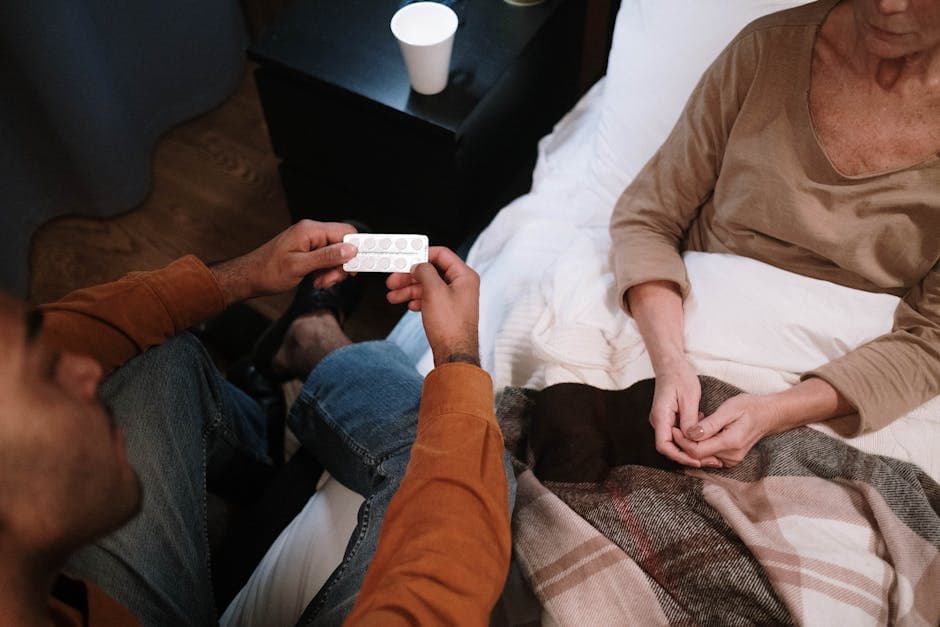
Take first medication dose: If your parent was discharged with medications to start immediately, give the first dose now. Read the label carefully. "Take one tablet twice daily with food" means give one tablet now if it's a meal time.
Check vital signs: If you have a blood pressure monitor or thermometer, take baseline vital signs now (blood pressure, heart rate, temperature). Write these down.
Ensure hydration: Offer water or other fluids. Staying hydrated supports healing.
Rest: Let your parent rest. Recovery begins with sleep.
First 12 Hours: Establishing the Routine
Medication schedule: Set up a medication schedule. Use a pill organiser if your parent is on multiple medications. Set phone alarms to remind about doses.
Wound assessment: If your parent has a surgical wound, look at it now (if dressing can be safely removed for inspection). What does normal healing look like? Slight redness at the edges of the wound is normal. Excessive swelling, pus, or foul odor is not normal.
Vital signs baseline: Check vital signs again. Compare to baseline. Minor variations are normal. A blood pressure significantly higher or lower than baseline, a very elevated heart rate, or a low-grade fever warrant a call to the doctor.
Appetite and nutrition: Encourage small amounts of food. If your parent has nausea or difficulty eating, don't force it. Small, frequent meals are better than large meals.
Bowel function: Ask whether your parent has had a bowel movement. Constipation is common after surgery and anesthesia. If your parent hasn't had a bowel movement in 2–3 days, stool softeners or mild laxatives may be needed.
Sleep: Ensure your parent gets sleep. Don't keep waking them to check on them. Let them rest.
First 24 Hours: Detailed Monitoring
Medication adherence: Directly observe your parent taking every medication. Don't assume they'll take them correctly. Be particularly careful with new medications - explain what each is for and when to take it.
Vital signs: Check vital signs 2–3 times today. Record them. If your parent has a fever (temperature > 38°C), pain that's not controlled by medication, or vital signs very different from baseline, call the doctor.
Wound inspection: If there's a surgical wound, check it at least once today (more if you're very concerned). Signs of normal healing: slight redness at wound edges, possibly a small amount of clear or slightly bloody discharge. Call the doctor if: significant swelling, pus, foul odor, increased pain, or wound edges opening up.
Activity and mobility: Encourage gentle activity. Walking slowly around the house is good. Lying completely still all day increases blood clot risk. However, avoid strenuous activity. Balance rest with gentle movement.
Pain management: Monitor your parent's pain. If pain is controlled and your parent is comfortable, continue the current pain medication schedule. If pain is not controlled despite medication, call the doctor - the dose may need adjustment.
Fall prevention: Elderly patients are at high fall risk post-hospitalization due to weakness, medications, or cognitive changes. Prevent falls:
- Use night lights in bathrooms and hallways
- Have handrails or walking aids readily available
- Remove tripping hazards
- Assist with walking if your parent is unsteady
- Consider a bedside commode if bathroom distance is far
- Use non-slip mats in bathrooms
- Supervise bathroom visits
Nausea and vomiting: Nausea is common after surgery and anesthesia. Small sips of ginger ale, clear broths, or apple juice may help. If vomiting prevents your parent from keeping down medications or fluids, call the doctor.
Urinary symptoms: Difficulty urinating or painful urination after hospitalization is concerning. If your parent can't urinate 8+ hours after getting home, or has severe burning with urination, call the doctor.
Second 24 Hours: Continuing Care
By the second day, your parent should be gradually improving. Energy increases. Pain decreases. Appetite improves.
Continue medications: Keep your parent on the exact schedule. Continue checking that medications are taken correctly.
Wound care progression: If wound care includes dressing changes, do this carefully. Wash hands before and after. Use sterile or clean gauze. Apply any antibiotic ointment if prescribed.
Activity progression: Encourage slightly more activity. Walking up and down hallways. Sitting up in a chair. Gentle stretching.
Diet progression: Offer foods your parent likes. If appetite improves, gradually return to normal diet (respecting any dietary restrictions prescribed).
Vital signs: Continue checking vital signs. By day 2, readings should be more stable than immediately post-discharge.
Warning Symptoms: When to Call the Doctor
Call during business hours if:
- Fever 38–38.5°C that doesn't respond to acetaminophen
- Increasing pain despite pain medication
- Wound showing signs of infection (increasing redness, pus, bad odor)
- Difficulty with medications (severe nausea, vomiting preventing medication intake)
- Significant swelling in legs
- Increasing shortness of breath
- Confusion or unusual behavior
Call immediately or go to the ER if:
- Fever > 38.5°C
- Chest pain or pressure
- Severe shortness of breath
- Severe abdominal pain
- Wound opening up with tissue exposed
- Signs of stroke (facial drooping, arm weakness, speech difficulty)
- Severe uncontrolled bleeding
- Falls with severe pain or inability to move
When to Schedule Post-Operative Follow-Up
Post-operative follow-up is essential:
With the surgeon: Typically 1–2 weeks after surgery. For any surgery, this appointment is critical.
With primary care doctor: Within 1–2 weeks post-discharge. Primary care doctor should know about hospitalization and can ensure medications are appropriate.
Other specialists: If your parent has other chronic conditions (diabetes, heart disease, etc.), relevant specialists should be informed about hospitalization.
Medication Management in First 48 Hours
This is the highest-risk period for medication errors:
Double-check medications: Before giving each dose, read the label carefully. Ensure you're giving the right medication at the right dose at the right time.
Watch for side effects: New medications may cause side effects. Keep a log of any symptoms. Are they related to medications? Call the doctor if severe.
Set alarms: Set phone alarms for medication times. Write a medication schedule and post it where your parent will see it.
Keep medications organized: Use a pill organiser. Keep all medications in one place. Avoid confusion.
Physical Care in First 48 Hours
Hygiene: Help with gentle bathing if your parent feels up to it, but avoid wetting surgical dressings. Sponge baths may be safer than showers initially.
Toileting: Assist as needed. Don't leave your parent alone if balance is poor (fall risk).
Dressing: Comfortable, loose clothing is best. Avoid tight waistbands or restrictive clothing over surgical sites.
Sleep: Create a quiet, dark, comfortable sleeping environment. Pain and anxiety interfere with sleep - manage both.
Emotional Support
Hospitalization and recovery are stressful. Your parent may be anxious, depressed, or irritable. This is normal.
Reassure: "You're doing well. You're recovering as expected."
Distract: Watch favorite movies, listen to music, or have quiet visitors (not too many - too much stimulation is tiring).
Be patient: Recovery takes time. Your parent may not feel like themselves for weeks.
For families managing post-discharge care remotely, our companion service for elderly parents provides in-home post-operative care during the critical first 48 hours, monitors your parent's recovery, manages medications, and keeps you informed of progress.
This article is for informational purposes only. Post-hospital care should follow your parent's physician's specific instructions. For our editorial standards, see our editorial policy.
Close monitoring and medication adherence are critical.
We help families implement post-discharge protocols that prevent readmissions.
Frequently Asked Questions
Need in-home support in the critical first 48 hours?
Contact us and we will provide trained companions for post-discharge care.
Presenza's care team writes practical guides for families managing elderly hospital visits and remote healthcare coordination.
Get our hospital visit checklist for families.
A practical guide to preparing for appointments, questions to ask doctors, and what to document. Free. No spam.