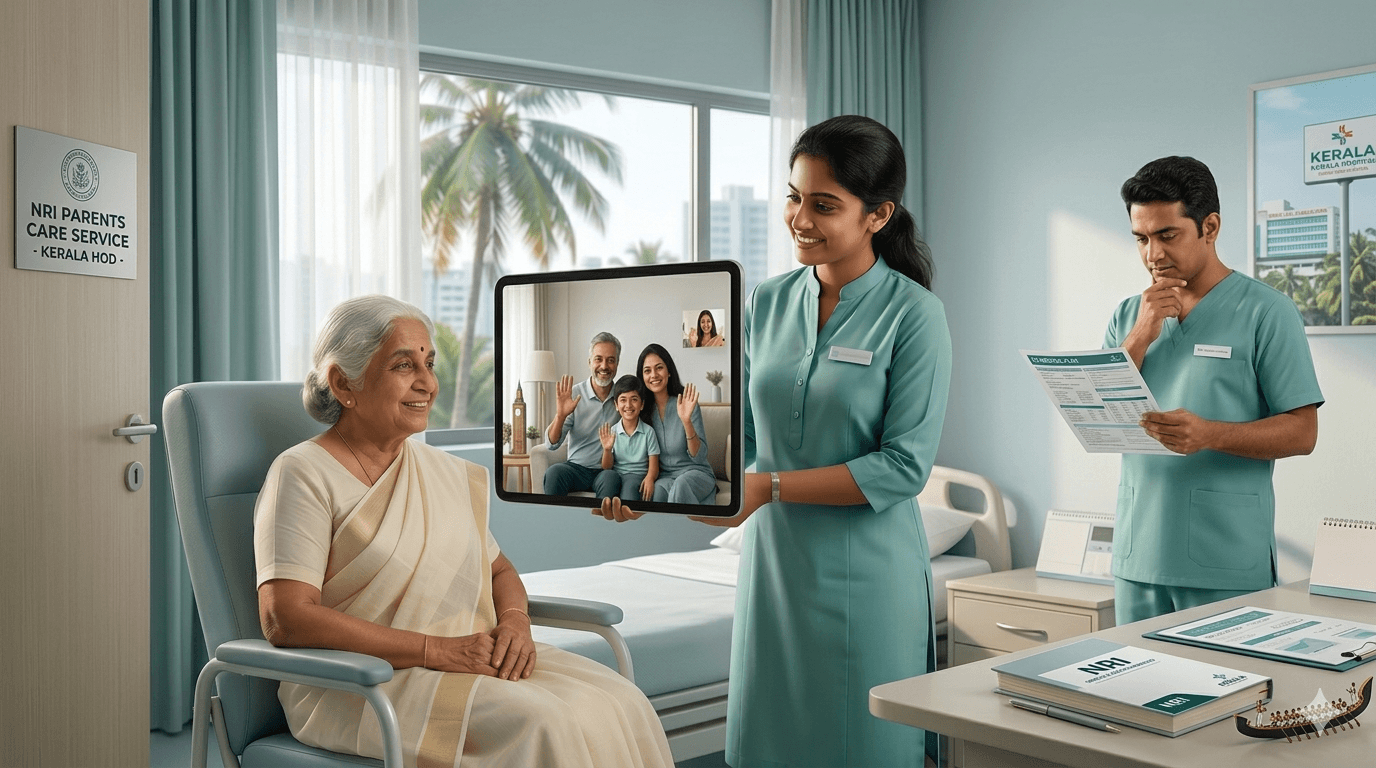
Families searching for city-specific service details can review our Kochi or Bangalore companion service pages.
Immediate Post-Stroke Support
Stroke recovery begins immediately. Our Kochi companion service provides in-hospital support, coordinates intensive rehabilitation, and monitors neurological progress during the critical first 12 weeks.
A stroke is a sudden loss of brain function caused by blocked or burst blood vessel. Stroke is a medical emergency requiring immediate hospitalization and treatment. Families managing stroke recovery face a long, often challenging rehabilitation process. Understanding the recovery timeline, types of rehabilitation available, and realistic expectations helps families support their parent's recovery and adjust to life after stroke.
For comprehensive information on the critical immediate post-stroke period and discharge planning, see our guides to hospital visit preparation and post-hospital care in the first 48 hours.
Types of Stroke
Ischemic stroke (80% of strokes): A blood vessel is blocked, cutting off blood flow to part of the brain.
- Caused by blood clot (thrombotic) or clot traveling from elsewhere (embolic)
- Treated with clot-busting medications (thrombolytics) if given within 4.5 hours of symptom onset, or mechanical thrombectomy (device removes clot) within 24 hours
Hemorrhagic stroke (20% of strokes): A blood vessel ruptures, causing bleeding in the brain.
- Caused by high blood pressure, aneurysm, or bleeding disorder
- Treatment focuses on controlling bleeding and managing increased intracranial pressure
Transient ischemic attack (TIA): Temporary blockage causing stroke symptoms that resolve within 24 hours (often within minutes).
- Often warning sign of future stroke
- Requires urgent evaluation and treatment to prevent stroke
Acute Stroke Management
In the first hours after stroke, the goal is to restore blood flow and prevent further damage:
Emergency care: Your parent arrives at hospital via ambulance, often going to intensive care unit (ICU) or stroke unit.
Imaging: CT scan of brain determines stroke type (ischemic or hemorrhagic).
Medications: For ischemic stroke, thrombolytic medication (alteplase) is given if within treatment window.
Mechanical thrombectomy: If large clot is identified, interventional radiologist may remove it using catheter-based technique.
Supportive care: Blood pressure, blood glucose, and oxygen are monitored and managed. Medications prevent complications.
Early rehabilitation: Physical therapy and nursing care begin within hours of admission to prevent complications.
Hospital Stay After Acute Stroke
Most stroke patients stay 3-7 days in hospital:
Days 1-3: Close monitoring in ICU or stroke unit. Blood pressure management, monitoring for complications (bleeding, brain swelling), initiation of rehabilitation.
Days 4-7: Transfer to regular ward if stable. Intensive rehabilitation begins.
Before discharge: Swallow assessment (to ensure safe eating), speech assessment, mobility assessment, and discharge planning.
Many patients are discharged to rehabilitation facilities for continued intensive therapy rather than home.
Stroke Recovery Phases
Recovery after stroke follows a general timeline, though individual variation is significant:
Acute phase (first 24-48 hours): Brain swelling peaks; risk of deterioration highest; close medical monitoring essential.
Early subacute phase (days 3-14): Brain begins to stabilize. Early neurological gains may occur. Rehabilitation intensifies.
Subacute phase (weeks 2-12): Maximum neurological recovery typically occurs in this window. Intensive rehabilitation shows greatest benefit.
Chronic phase (weeks 12 onwards): Recovery slows but continues for months. Improvement is gradual.
Plateau (6-12 months): Most patients reach functional plateau, though further gains may occur with continued therapy.
Neurological Deficits After Stroke
Stroke affects the brain region supplied by the blocked or burst vessel. Common deficits include:
Motor deficits (50% of strokes): Weakness or paralysis, typically on one side of the body (contralateral to the brain lesion).
Speech deficits (30% of strokes): Aphasia (difficulty producing or understanding language) or dysarthria (difficulty pronouncing words due to weak muscles).
Sensory deficits (20% of strokes): Loss of sensation (touch, temperature, pain), typically on one side.
Cognitive deficits (common): Difficulty with concentration, memory, problem-solving, or executive function.
Visual field deficits: Loss of vision to one side (homonymous hemianopsia).
Emotional changes: Depression, anxiety, irritability, or emotional lability (uncontrolled crying/laughing).
Swallowing deficits (dysphasia): Difficulty swallowing saliva or food; risk of aspiration into lungs.
Neglect syndrome: In right-brain strokes, patients may ignore left side of body and environment.
Apraxia: Difficulty performing purposeful movements despite preserved strength.
The specific deficits depend on stroke location.
Rehabilitation: The Key to Recovery
Neurological recovery after stroke occurs through:
- Neuroplasticity: brain's ability to reorganize, forming new neural connections
- Compensation: using unaffected brain regions for lost function
Rehabilitation therapies facilitate this recovery:
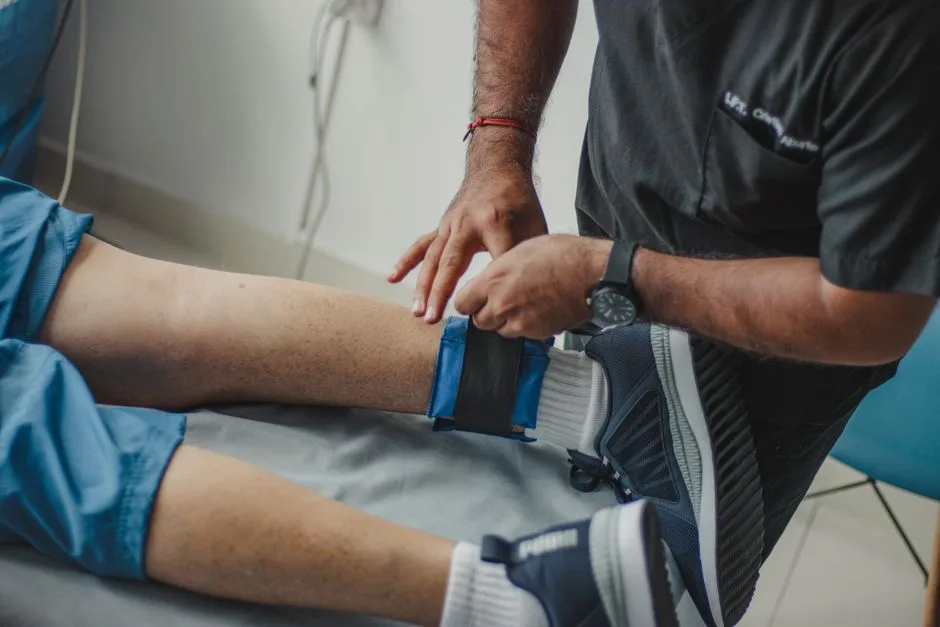
Physical therapy: Focuses on restoring motor function.
- Early therapy: Passive range-of-motion exercises to prevent contractures
- Progressive therapy: Standing, walking, stairs, balance training
- Advanced therapy: Strength training, endurance training, community ambulation
Occupational therapy: Restores ability to perform activities of daily living (ADL).
- Feeding, dressing, grooming, toileting
- Adaptive equipment and techniques
- Cognitive rehabilitation for memory, attention
Speech-language pathology: Addresses speech, language, and swallowing deficits.
- Speech exercises for dysarthria
- Language therapy for aphasia
- Swallowing therapy (diet modifications, exercises, positioning)
Psychological support: Addresses depression, anxiety, and emotional adjustment.
Rehabilitation Settings
Inpatient rehabilitation facility (IRF):
- Intensive rehabilitation (usually 3 hours daily, 5-7 days per week)
- Medical supervision and nursing care
- Usually 2-4 weeks duration
- For patients with moderate-severe stroke and good rehabilitation potential
- Usually covered by insurance
Skilled nursing facility (SNF):
- Less intensive rehabilitation (usually 1-2 hours daily)
- Nursing care and medical supervision
- For patients with mild stroke or those declining from IRF
- Usually 2-4 weeks
Home-based rehabilitation:
- Therapy in patient's home (physical therapy, occupational therapy, speech therapy)
- Flexible scheduling
- Continues for weeks to months
- Good for patients who prefer home environment or live far from facilities
The Subacute Phase: Maximum Recovery Window
Weeks 2-12 after stroke represent the period of maximum recovery potential:
- Neuroplasticity is highest in this window
- Intensive, task-specific therapy shows greatest benefit
- Your parent should receive 3+ hours of therapy daily
- Therapy should be intensive and varied (not repetitive)
- Family involvement enhances recovery
Families should:
- Ensure your parent participates in recommended therapy intensity
- Practice therapy exercises at home between sessions
- Encourage your parent's effort and celebrate small gains
- Provide emotional support through recovery process
Post-Stroke Deficits and Recovery Expectations
Motor deficits:
- Weeks 0-12: 80% of motor recovery occurs
- Improvement continues but more slowly beyond 12 weeks
- Some patients regain near-normal function; others have permanent weakness
Speech/language deficits:
- Weeks 0-12: Greatest improvement
- Improvement continues up to 2 years with intensive therapy
- Some residual deficits are common
Cognitive deficits:
- Recovery is more variable than motor deficits
- May improve significantly with cognitive rehabilitation
- Some deficits persist long-term
Individual recovery varies tremendously; many factors influence outcomes.
Realistic Expectations: Honest Conversations
Families often have unrealistic expectations about stroke recovery. Honest assessment helps:
Ask the rehabilitation team:
- What is my parent's rehabilitation potential?
- What functional level is realistic to target?
- What deficits are likely permanent?
- How long until plateau is expected?
Most stroke survivors:
- 10% recover nearly completely
- 25% recover with minimal deficits
- 40% have moderate deficits requiring help with some activities
- 10% have severe deficits requiring institutional care
- 15% die from stroke or complications
Understanding your parent's specific prognosis helps guide realistic rehabilitation goals and family planning.
Complications After Stroke
Early complications:
- Recurrent stroke: 1-2% risk; prevent with antiplatelet and lipid-lowering medications
- Hemorrhagic transformation: in some ischemic strokes, bleeding occurs; rare with modern treatment
- Brain swelling (cerebral edema): can worsen neurological status
- Aspiration pneumonia: from swallowing deficits; prevent with swallowing precautions
Later complications:
- Deep vein thrombosis (blood clots): prevent with early mobilization, compression stockings, anticoagulation
- Spasticity: abnormal muscle tone developing weeks after stroke; managed with stretching, medications, botulinum toxin injections
- Depression: occurs in 30-40% of stroke survivors; important to treat
- Pain syndromes: central post-stroke pain is less common but debilitating
Preventing Stroke Recurrence
After stroke, risk of future stroke is high. Prevention is critical:
Medication:
- Antiplatelet medication (aspirin, clopidogrel): reduces recurrent stroke risk
- Anticoagulation (warfarin, apixaban, rivaroxaban): if stroke was caused by atrial fibrillation
- Statin medication: for cholesterol management and neuroprotection
- Blood pressure medication: intensive control reduces recurrence risk
- Diabetes management: tight glycemic control if diabetic
Lifestyle:
- Smoking cessation
- Regular exercise (cleared by cardiologist)
- Healthy diet (Mediterranean-style diet recommended)
- Weight management
- Blood pressure control
- Stress management
Monitoring:
- Regular follow-up with neurologist or internist
- Imaging (carotid ultrasound, echocardiogram, cardiac monitoring) if indicated
Long-Term Outcomes and Quality of Life
Most stroke survivors:
- Can return home, though some require assistance or care facilities
- Can participate in activities, though some are limited by deficits
- Can have meaningful social and family relationships
- Live for many years after stroke
Depression is common post-stroke; treatment with medication and therapy improves quality of life.
Families should:
- Encourage social participation and activities
- Support continued rehabilitation and exercise
- Monitor for depression and seek treatment if develops
- Adjust expectations to realistic goals
- Celebrate gains, however small
For families managing stroke recovery for elderly parents remotely, our companion service for elderly parents coordinates acute stroke care, arranges intensive rehabilitation, monitors swallowing and speech progression, and supports long-term recovery and prevention of recurrence.
This article is for informational purposes only. Stroke recovery should be managed by your parent's neurologist and rehabilitation team. For our editorial standards, see our editorial policy.
Long-Term Rehabilitation
Recovery continues beyond 12 weeks. Continued physiotherapy, speech therapy, and psychological support optimize your parent's functional outcome and quality of life.
Frequently Asked Questions
Maximize Post-Stroke Recovery
Stroke recovery demands coordinated, intensive rehabilitation. We manage therapy coordination, monitor progress, and support your parent's return to maximum functional independence.
Presenza's care team writes practical guides for families managing elderly hospital visits and remote healthcare coordination.
Get our hospital visit checklist for families.
A practical guide to preparing for appointments, questions to ask doctors, and what to document. Free. No spam.