Families searching for city-specific service details can review our Kochi or Bangalore companion service pages.
Preparing for Screening
Proper bowel preparation is essential for successful colonoscopy. Our Kochi companion service ensures your parent completes the preparation protocol correctly and arrives relaxed and prepared.
Colonoscopy and endoscopy are among the most common diagnostic and therapeutic procedures for elderly patients. These procedures allow doctors to visualize the gastrointestinal tract, screen for cancer, remove polyps, and treat bleeding or other abnormalities. Families often worry about these procedures, but they are generally safe when properly prepared. Understanding the preparation, procedure, and recovery helps families support their parent through the experience.
For comprehensive guidance on preparing for any medical procedure, see our specialist appointment preparation guide. For general information on hospital visit logistics, see our hospital visit preparation checklist.
What Is Colonoscopy?
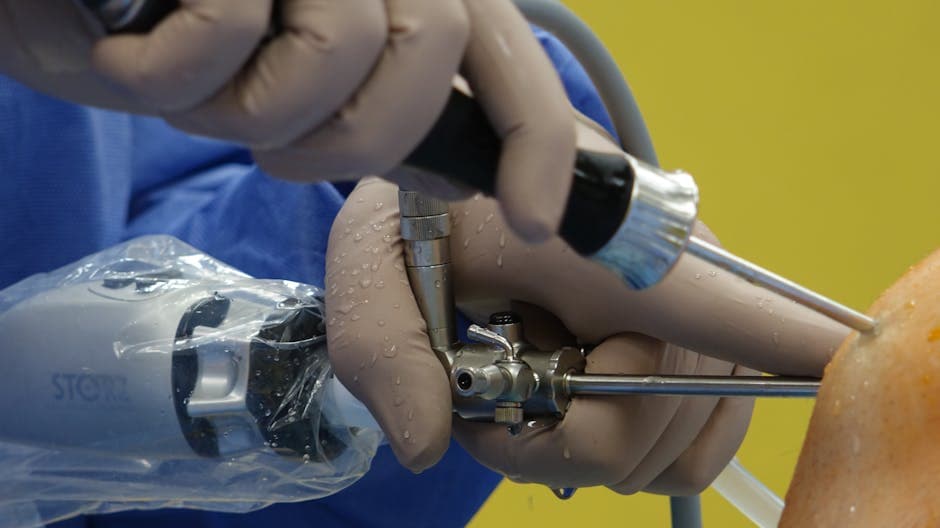
Colonoscopy is a procedure in which a thin, flexible tube with a camera (colonoscope) is inserted through the rectum and advanced through the colon. The doctor visualizes the entire colon and can detect polyps, inflammation, bleeding, or cancer. If polyps are found, they can be removed during the procedure, preventing colorectal cancer.
Colonoscopy is recommended for:
- Screening for colorectal cancer (every 10 years for average-risk adults age 50+)
- Evaluation of abdominal pain, chronic diarrhoea, or constipation
- Investigation of blood in stool
- Surveillance of known polyps or inflammatory bowel disease
- Screening for bleeding or varices in patients with liver disease
What Is Endoscopy (Upper Endoscopy)?
Upper endoscopy (esophagogastroduodenoscopy or EGD) uses a thin, flexible tube with a camera to visualize the oesophagus, stomach, and upper small intestine. This is performed for:
- Evaluation of difficulty swallowing, heartburn, or chest pain
- Investigation of vomiting, nausea, or upper gastrointestinal bleeding
- Surveillance of Barrett's oesophagus or chronic GERD
- Evaluation of anaemia when cause is not evident
Pre-Procedure Preparation: Critical for Success
Inadequate preparation is the most common reason procedures must be repeated. Families must ensure your parent follows preparation instructions exactly:
Bowel preparation for colonoscopy (this is essential):
- For 2-3 days before the procedure, your parent consumes a clear liquid diet only (water, clear broths, apple juice, white grape juice, sports drinks, tea without milk)
- The night before, your parent takes a bowel prep medication (typically polyethylene glycol electrolyte solution like GoLYTELY or MoviPrep)
- This powerful laxative causes significant diarrhoea, clearing the bowel completely
- Your parent may have 1-2 bowel movements per hour for several hours; ensure they remain close to toilet facilities
Medication management before colonoscopy:
- Blood thinners (warfarin, apixaban, rivaroxaban): typically continued unless high bleeding risk; discuss with cardiologist
- Aspirin and NSAIDs: typically stopped 3-5 days before if bleeding risk is high
- Metformin (diabetes medication): typically stopped the morning of procedure and resumed after procedure
- Iron supplements: stopped 3-5 days before (iron can obscure the view)
Pre-procedure endoscopy:
- Fasting: your parent must not eat or drink anything (nil by mouth) for 6 hours before procedure
- Medications: most medications can be taken with small sips of water 2 hours before; discuss with endoscopist
Risk assessment and consent: The doctor discusses risks (perforation, bleeding, infection are rare) and benefits, obtains informed consent, and addresses questions.
The Day of the Procedure: What to Expect
Arrival: Your parent arrives 1-2 hours before the scheduled procedure time. They check in and change into a hospital gown.
Monitoring setup: A nurse places an IV line. Heart rate, blood pressure, and oxygen saturation are monitored continuously.
Sedation: Most colonoscopies and endoscopies in India are performed under moderate sedation (the patient is drowsy but able to respond). The anesthesiologist administers sedative and pain-relieving medications.
The procedure itself:
- For colonoscopy: the scope is gently advanced through the rectum. Air is introduced to distend the colon for visualization. The entire colon takes 15-30 minutes to examine. If polyps are found, they are removed with a snare (loop) and cauterised.
- For endoscopy: the scope is guided down the oesophagus. Biopsies may be taken if abnormalities are seen. The procedure takes 5-10 minutes.
Recovery: Your parent awakens in the recovery area, still drowsy. Vital signs are monitored. Pain is typically minimal.
After the Procedure: Recovery and Activity
In the recovery area (1 hour post-procedure):
- Your parent remains in recovery until drowsiness wears off
- Vital signs are rechecked
- If blood clots were removed or bleeding occurred, an extra observation period is added
- Discharge instructions are reviewed
Going home:
- Your parent cannot drive after sedation; arrange transportation
- Your parent should not operate heavy machinery or make important decisions for 24 hours post-procedure
- Most patients can resume normal activity the following day
- Diet is gradually resumed: start with clear liquids, then soft foods, progressing to normal diet if tolerated
Post-procedure signals:
- Mild abdominal bloating: expected for 24 hours (air introduced during colonoscopy)
- Mild abdominal cramping: expected, typically resolves within 12 hours
- Sore throat: expected after endoscopy, resolves within 24 hours
- Minor blood in stool (if polyp removed): expected for 24-48 hours, typically minimal
When to Seek Immediate Care
Contact the hospital or emergency room immediately if your parent develops:
- Fever > 38.5C
- Severe abdominal pain or tenderness
- Severe blood in stool or vomiting blood
- Difficulty breathing or chest pain
- Abdominal swelling that worsens
- Signs of dehydration (extreme thirst, confusion, dizziness)
These could indicate rare but serious complications like perforation or significant bleeding.
Understanding Biopsy Results
If biopsies were taken during the procedure, results typically return within 3-5 working days. The doctor reviews results with your parent:
- Normal tissue: no further action needed
- Benign findings: typically no further treatment, routine follow-up scheduled
- Barrett's oesophagus: increased surveillance colonoscopies recommended
- Dysplasia or cancer: further treatment discussion with gastroenterologist and surgeon as indicated
Polyp Removal and Surveillance
If polyps were removed:
- Size and type determine surveillance intervals
- Small adenomas (< 1 cm): repeat colonoscopy in 3-5 years
- Large adenomas (> 2 cm) or sessile polyps: repeat colonoscopy in 2-3 years
- Multiple polyps (> 3): repeat colonoscopy in 1 year
- Hyperplastic polyps: routine screening interval (10 years) if small and few
Post-Procedure Diet and Medications
Diet after colonoscopy:
- Resume normal diet day 1 post-procedure
- Most patients can eat normal food after a few hours of recovery
- Avoid heavy or greasy meals if nausea develops
Medications:
- Resume regular medications the next day
- Metformin can usually resume that evening or next morning
- Blood thinners: discuss with cardiologist about resuming (usually within 24 hours)
Anxiety and Sedation: What Families Should Know
Many elderly patients worry about colonoscopy. Families can help:
- Reassure that the procedure is routine and very safe
- Explain that adequate sedation means your parent will not be awake during the uncomfortable part
- Prepare for bowel prep discomfort (honest discussion reduces anxiety)
- Plan entertainment during recovery day
- Arrange transportation so your parent is not stressed about driving while drowsy
Screening Guidelines for Colorectal Cancer
Families should understand recommended screening intervals:
- Age 45-75: average-risk individuals should have colonoscopy every 10 years (or other screening methods)
- Age 76-85: individualized decision based on overall health and life expectancy
- Age 85+: routine screening generally not recommended unless high-risk features or symptoms
- If family history of colorectal cancer: screening starts at age 40 or 10 years before youngest cancer diagnosis in family
Bowel Preparation in Elderly Patients: Special Challenges
Standard bowel preparation is significantly harder for elderly patients than for younger adults. Families must anticipate and plan for these challenges:
Dehydration risk: The large volume of liquid required combined with significant diarrhoea can cause rapid dehydration. Elderly patients are less able to sense thirst and may not recognize the warning signs. Monitor your parent closely throughout preparation day. Signs of dehydration include confusion, dizziness, extreme thirst, and reduced urination. If any of these develop, call the gastroenterologist immediately.
Electrolyte loss: Bowel preparation flushes sodium, potassium, and magnesium along with stool. For patients on blood pressure medications, diuretics, or heart medications, this electrolyte shift can be clinically significant. Ask the gastroenterologist whether blood tests are needed the morning of the procedure to check electrolyte levels.
Kidney stress: Elderly patients with reduced kidney function may not tolerate certain prep agents well. Inform the endoscopist of your parent's kidney function values before preparation day. Some prep agents are safer for kidneys than others, and the team can prescribe accordingly.
Volume tolerance: Many elderly patients struggle to drink 2-4 liters of prep solution in the required time. Ask the gastroenterologist whether a split-dose protocol is appropriate. With split dosing, half the preparation is taken the evening before and the remaining half the morning of the procedure. Split dosing is better tolerated, causes less discomfort, and actually produces better bowel cleanliness than a single large dose taken the evening before.
Mobility considerations: Your parent may need to reach the toilet urgently and repeatedly during the preparation phase. Ensure the bathroom is accessible and non-slip. Keep a change of clothes within reach. Place absorbent pads on chairs and beds as a precaution. Many elderly patients find the preparation phase more distressing than the procedure itself. Normalize this and prepare them mentally in advance.
Questions to Ask Before the Procedure
Before the colonoscopy or endoscopy appointment, confirm the following with the gastroenterology team:
- Which bowel prep agent is best given my parent's kidney function and cardiac medications?
- Is a split-dose preparation protocol an option?
- Which medications should be stopped before preparation day, and which should continue as normal?
- Will my parent be under sedation? What type and how deep?
- Can family remain in the waiting area during the procedure?
- Who should we call if my parent has difficulty tolerating the preparation at home?
- How and when will biopsy or polyp results be communicated?
- If polyps are removed, what dietary and activity restrictions apply afterward?
Supporting Your Parent on Procedure Day
Transportation is mandatory: Your parent cannot drive after sedation under any circumstances, even if they feel fine. Arrange a driver or companion before the appointment date, not the morning of.
Stay in the hospital: Do not leave the hospital campus while your parent is undergoing the procedure. The gastroenterologist will speak with a family member directly after the procedure to share findings. If no family member is present, the communication of results may be delayed or incomplete.
Plan a quiet recovery day: After the procedure, your parent will be drowsy for several hours. Plan a calm day with light meals: clear soup, soft rice, yogurt, and diluted juices. Avoid strenuous activity. A responsible adult should remain with your parent for at least 12 hours after returning home.
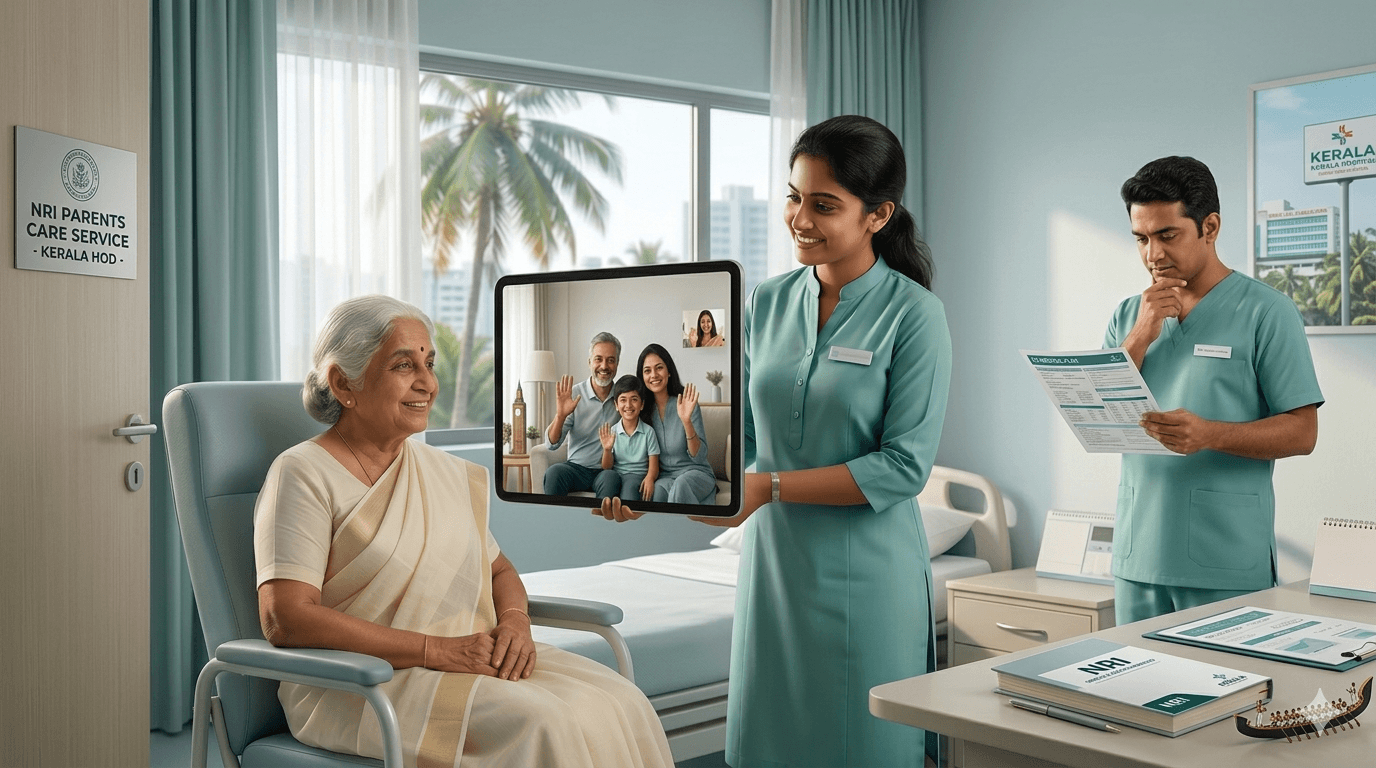
For families managing pre- and post-procedure care for elderly parents remotely, our companion service for elderly parents arranges procedures, accompanies your parent through the experience, and coordinates follow-up results and surveillance.
This article is for informational purposes only. Colonoscopy and endoscopy decisions should be made with your parent's gastroenterologist. For our editorial standards, see our editorial policy.
After the Procedure
Recovery after colonoscopy is quick, but follow-up care is important--ensuring your parent understands biopsy results, scheduling follow-up appointments, and clarifying any surveillance intervals.
Frequently Asked Questions
Need Support Planning Screening?
We coordinate screening procedures, interpret results with your parent, and schedule appropriate follow-up--giving you peace of mind that cancer screening is complete and professional.
Presenza's care team writes practical guides for families managing elderly hospital visits and remote healthcare coordination.
Get our hospital visit checklist for families.
A practical guide to preparing for appointments, questions to ask doctors, and what to document. Free. No spam.