Families searching for city-specific service details can review our Kochi or Bangalore companion service pages.
Joint pain limits independence and quality of life.
We help families explore all treatment options from physiotherapy to surgery.
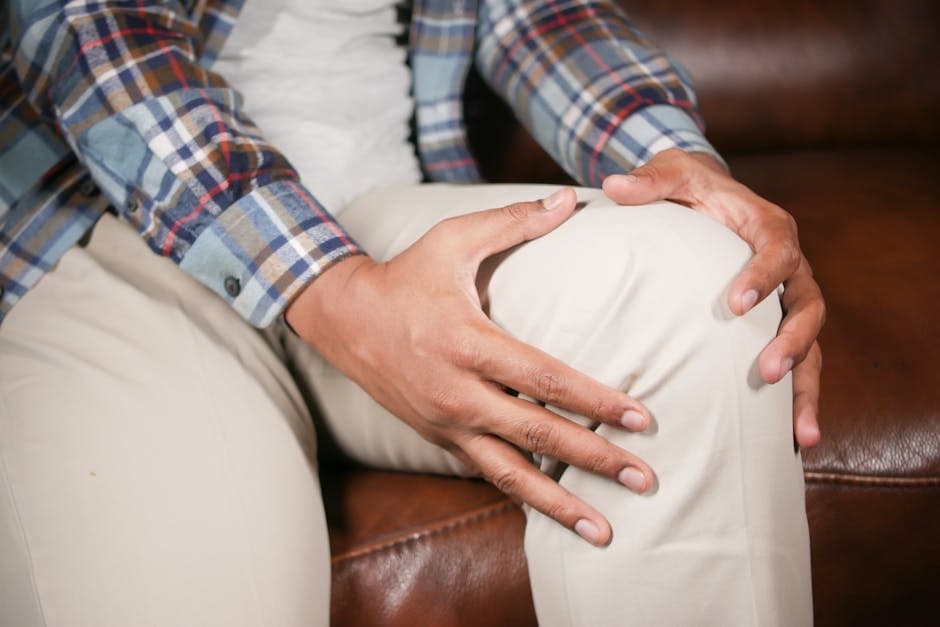
Joint pain is one of the most common complaints in adults over 60 and one of the most consequential for quality of life. When joints are painful, mobility decreases. When mobility decreases, independence erodes, falls become more likely, physical conditioning declines, and mood follows. Pain that limits a parent's ability to walk to the kitchen, use the bathroom independently, or leave the house for medical appointments is not a minor inconvenience.
Yet joint pain is also one of the conditions most often undertreated by families who either accept it as inevitable ("it's just old age") or overcorrect with medications that are not safe for elderly patients. There is a practical middle path: understanding what type of arthritis is present, what treatments are appropriate and at what stage, and what level of pain is a signal to escalate care.
The Main Types of Arthritis in Elderly Patients
Not all joint pain is the same, and not all joint pain is treated the same way. The most important distinction is between osteoarthritis and inflammatory arthritis.
Osteoarthritis (OA) is the most common type and is caused by mechanical wear on the cartilage that cushions the ends of bones in joints. Over decades, cartilage thins and eventually wears away, leaving bone rubbing on bone. The joints most commonly affected are the knees, hips, lower spine, and the small joints of the hands and feet. OA pain is typically worse with activity and relieved by rest. Morning stiffness lasts less than thirty minutes. There is no systemic inflammation - blood tests are usually normal. X-rays show characteristic changes including narrowing of the joint space.
Rheumatoid arthritis (RA) is an autoimmune condition in which the immune system attacks the lining of joints, causing inflammation, pain, and eventually joint destruction. Unlike OA, RA is a systemic condition - it causes fatigue, low-grade fever, and anaemia in addition to joint symptoms. It characteristically affects the small joints of the hands and feet symmetrically, and morning stiffness lasts more than one hour. RA in elderly patients may present differently from the classic pattern, sometimes involving larger joints first or having a more sudden onset. Blood tests show elevated inflammatory markers (CRP, ESR) and often positive rheumatoid factor (RF) or anti-CCP antibodies.
Gout is a type of inflammatory arthritis caused by the deposition of uric acid crystals in joints. It typically presents as sudden, severe pain in a single joint - most classically the big toe, but also the ankle, knee, or wrist - that reaches maximum intensity within twenty-four hours and subsides over several days. Gout attacks can be precipitated by dehydration, certain medications (diuretics are a common cause in elderly patients), purine-rich foods, and alcohol. Between attacks, the joint is typically normal. Chronic untreated gout leads to the formation of tophi (uric acid deposits under the skin) and progressive joint damage.
Pseudogout (calcium pyrophosphate deposition disease, CPDD) resembles gout in its presentation - sudden severe joint pain - but involves calcium crystal deposition rather than uric acid. It most commonly affects the knee. Diagnosis is made by joint fluid analysis.
When to Refer to a Specialist
Mild joint pain that responds to simple analgesics, physical therapy, and lifestyle adjustments can be managed by a general physician. Several patterns should prompt referral to a rheumatologist or orthopaedic specialist.
See a rheumatologist if: joint pain is accompanied by significant morning stiffness lasting more than an hour, multiple joints are affected simultaneously, the affected joints are the small joints of the hands and feet, blood tests show elevated inflammatory markers or positive autoantibodies, there are systemic symptoms (fatigue, weight loss, fever), or the pain does not respond to standard analgesics after three months.
See an orthopaedic surgeon if: pain is severe enough to limit daily activities significantly despite adequate non-surgical treatment, imaging shows advanced joint damage, the patient is unable to walk necessary distances, or evaluation for joint replacement is appropriate.
If the pattern is unclear or the patient has multiple possible contributing factors (which is common in elderly patients who may have both OA and a systemic inflammatory condition), a rheumatology evaluation first is usually the most productive path. Rheumatologists are trained in the diagnostic work-up of complex arthritis presentations.
Non-Surgical Treatment: What Works and What to Avoid
For osteoarthritis specifically - the most common type - the evidence for different treatments is clearer than most families realise.
What works well: weight reduction (even modest weight loss of five to ten kilograms substantially reduces knee joint load), physiotherapy focused on strengthening the muscles around the affected joint (strong quadriceps support the knee joint and reduce pain significantly), walking aids such as a cane used in the hand opposite the affected knee to reduce joint load, topical anti-inflammatory gels applied directly to the affected joint (effective with far fewer systemic side effects than oral medications), and paracetamol (acetaminophen) as a first-line oral analgesic for mild to moderate pain.
What to use carefully: oral NSAIDs (ibuprofen, naproxen, diclofenac) are more effective than paracetamol for osteoarthritis pain but carry significant risks in elderly patients - gastrointestinal bleeding, kidney function impairment, blood pressure elevation, and cardiovascular risk. If NSAIDs are needed, they should be used at the lowest effective dose for the shortest necessary duration. A proton pump inhibitor (for stomach protection) should be co-prescribed. Patients with kidney disease, heart failure, or who are on blood thinners should avoid NSAIDs.
What does not work for OA (despite popularity): glucosamine and chondroitin supplements have not demonstrated significant benefit in well-designed clinical trials, though they are widely marketed and generally safe. Knee braces provide modest symptomatic relief but do not alter disease progression. Oral collagen supplements lack adequate evidence.
Intraarticular corticosteroid injections (steroid injections directly into the joint) provide effective short-term pain relief - typically four to eight weeks - and are appropriate for flares of pain or when oral medications are insufficient. They should not be repeated more frequently than every three months in the same joint. Hyaluronic acid injections are another option for knee OA, with modest evidence for short-term benefit.
For rheumatoid arthritis: the treatment approach is entirely different. RA requires disease-modifying antirheumatic drugs (DMARDs) - most commonly methotrexate - that slow the underlying disease process rather than just managing symptoms. Delay in starting DMARDs in RA allows irreversible joint damage to accumulate. RA should be managed by a rheumatologist, not solely by a general physician.
Physiotherapy: The Most Underused Effective Treatment
Physiotherapy for joint pain is consistently more effective than many families expect and is dramatically underutilised in elderly patients in India. The mechanism is straightforward: weak muscles around a joint allow increased stress on the joint itself. Strengthening those muscles - particularly the quadriceps for knee OA and the hip abductors for hip OA - directly reduces joint load and pain.
A physiotherapist's programme should include: targeted strengthening exercises for the muscles supporting the affected joint, range-of-motion exercises to maintain joint flexibility, advice on activity modification (how to continue daily activities while reducing joint stress), gait training if the patient's walking pattern has been affected by pain, and guidance on appropriate walking aids if needed.
The programme needs to be continued consistently at home after the initial physiotherapy sessions. A patient who attends six sessions with the physiotherapist but does not maintain the home exercise programme will return to their pre-treatment pain level. Consistency over months is what produces lasting benefit.
For patients in Kochi, physiotherapy services are available within the hospital systems at Aster MIMS, Rajagiri, and Lakeshore, as well as through independent physiotherapy clinics. For patients with significant mobility limitations, some physiotherapists offer home visit services.
Understanding Imaging in Joint Disease
X-rays remain the standard first imaging test for joint pain. They show bone structure, joint space narrowing (indicating cartilage loss in OA), and erosions in inflammatory arthritis. X-ray findings are often used to grade the severity of OA from mild to severe and to guide decisions about surgical intervention.
MRI provides detailed imaging of soft tissue including cartilage, ligaments, and the menisci of the knee. It is used when the cause of pain is unclear on X-ray, when meniscal or ligamentous injury is suspected, or when more precise surgical planning is required. MRI is not routinely needed for straightforward OA in elderly patients.
Ultrasound of joints is used primarily by rheumatologists to assess inflammation in joints and soft tissue structures, guide joint injections, and monitor inflammatory arthritis disease activity. It is quick, widely available at major hospitals in Kochi, and involves no radiation exposure.
When Is Joint Replacement Surgery Appropriate?
Joint replacement surgery - most commonly total knee replacement (TKR) and total hip replacement (THR) - is a highly effective intervention for severe OA that has not responded to non-surgical treatment. When appropriately timed, it eliminates pain and restores function to a degree that no other treatment achieves.
The decision to recommend joint replacement is based on: severity of pain and functional limitation, failure of adequate non-surgical treatment (including physiotherapy and appropriate analgesics), imaging confirming severe joint damage consistent with symptoms, and the patient's overall health status and surgical risk.
Age alone is not a contraindication to joint replacement surgery. Well-designed studies show that elderly patients who are otherwise healthy have outcomes from joint replacement surgery that are similar to younger patients. The key factors are surgical fitness (cardiac and respiratory reserve, renal function, nutritional status) rather than age.
What families should understand: joint replacement has a recovery period. The patient typically walks the same day of surgery with physiotherapy assistance. Full independent walking without a walker takes six to twelve weeks. Full return to normal activities takes three to six months. The implant lasts fifteen to twenty years in most patients. For a patient with severe bilateral knee OA who is struggling to walk to the bathroom, joint replacement surgery - when appropriately indicated and well-planned - dramatically improves quality of life.
For more on preparing for and recovering from surgical procedures, see our guide on knee replacement surgery for elderly patients.
Coordinating Joint Care With Other Conditions
Joint pain management in elderly patients must be coordinated with the management of other conditions. NSAIDs, which are frequently used for joint pain, worsen kidney function, elevate blood pressure, and increase cardiovascular risk. An elderly patient with chronic kidney disease, hypertension, and OA managed with regular NSAIDs is accumulating compounding risks that no single specialist may be tracking.
The medication safety guide covers these interactions in detail. The key point for joint care: before any new analgesic is prescribed, confirm with the prescribing doctor that it has been considered against the patient's full medical background and medication list.
For hospital visits related to joint conditions at Kochi's major hospitals, our companion service helps coordinate orthopaedic or rheumatology appointments, manages imaging logistics, and ensures that post-visit instructions - particularly physiotherapy referrals and follow-up imaging schedules - are clearly documented and followed up.
For families whose parent requires joint replacement surgery, see our comprehensive guide to joint replacement and orthopedic care and knee replacement surgery. For managing arthritis as a chronic condition alongside other health issues, our guide to managing chronic conditions in elderly parents provides strategies for medication adherence, lifestyle modifications, and coordinating care with multiple specialists.
This article is for informational purposes only. Joint conditions in elderly patients should be assessed and managed by qualified medical specialists. For our editorial standards, see our editorial policy.
The right treatment prevents disability and maintains function.
From conservative care to surgical options, we guide families through each decision.
Frequently Asked Questions
Discuss your parent's joint pain options with us.
Contact us on WhatsApp to explore treatment approaches in Kochi.
Presenza's care team writes practical guides for families managing elderly hospital visits and remote healthcare coordination.
Get our hospital visit checklist for families.
A practical guide to preparing for appointments, questions to ask doctors, and what to document. Free. No spam.