Families searching for city-specific service details can review our Kochi or Bangalore companion service pages.
Managing cardiac disease requires specialized support and consistent monitoring.
Professional companions coordinate cardiac consultations, document findings, and monitor your parent's cardiac status between appointments.
Heart disease is the leading cause of mortality among elderly in India, and Kerala has historically high rates of coronary artery disease. Many elderly parents in Kozhikode are managing cardiac conditions or have experienced cardiac events. Cardiac care is complex, involving specialist consultation, diagnostic testing, medication management, and sometimes procedures or surgery.
Families navigating cardiac care often feel overwhelmed. What is the difference between angina and heart attack? What do cardiac test results mean? How do cardiac medications work? What restrictions does your parent need after a cardiac event? Without clear information and structured support, anxiety increases and important details get missed.
This guide covers cardiac care in Kozhikode, hospitals with cardiac expertise, and how professional companion services support families through cardiac healthcare journeys.
Understanding Cardiac Disease in Elderly
Cardiac disease in elderly typically results from coronary artery disease: plaque buildup in heart arteries restricts blood flow. This causes angina (chest pain with exertion), heart attacks (when blood flow is completely blocked), or silent ischemia (blocked blood flow without symptoms, common in elderly with diabetes).
Elderly are also at risk for heart failure (weak pumping), valvular disease (damaged heart valves), and arrhythmias (irregular heartbeat). Management combines medications, lifestyle changes, and sometimes procedures.
Top Hospitals for Cardiac Care in Kozhikode
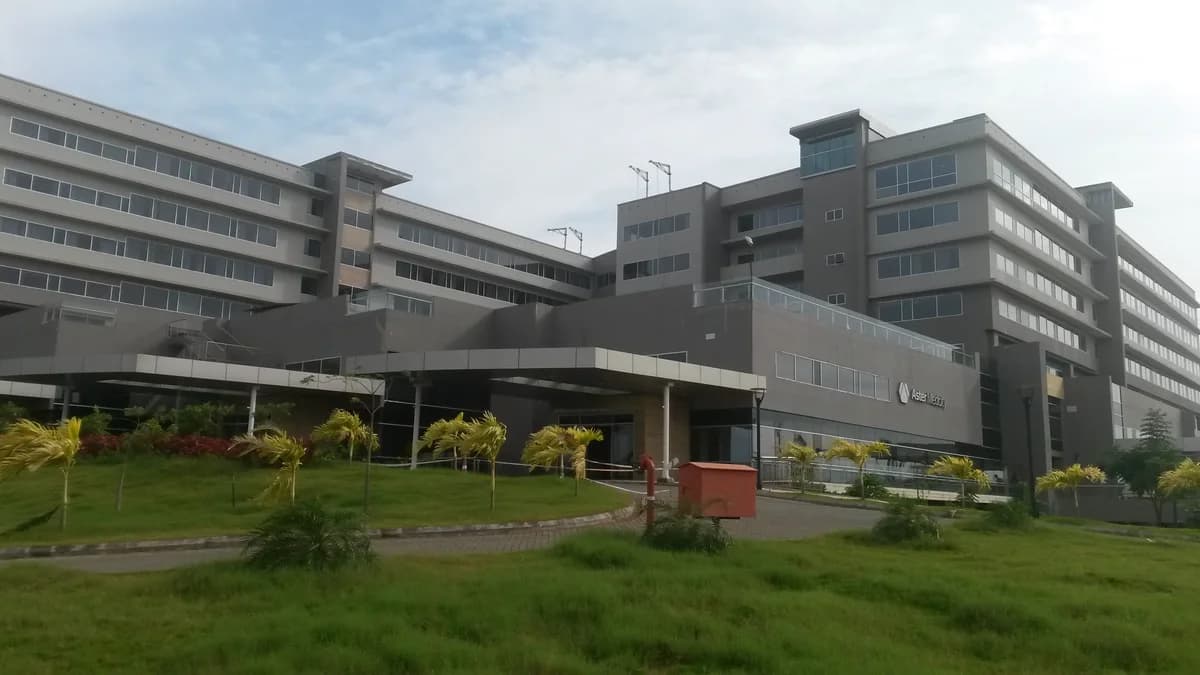
Aster MIMS Kozhikode: Premier Cardiac Excellence
Aster MIMS has North Kerala's most comprehensive cardiac program. The hospital has a dedicated cardiology department with cardiac catheterisation laboratory, allowing advanced cardiac investigations and interventions. Cardiologists are experienced in managing elderly with complex cardiac disease.
Cardiac Services:
- Cardiac consultation and evaluation
- Cardiac catheterisation (angiography)
- Coronary angioplasty with stent placement
- Cardiac surgery (bypass, valve replacement)
- Echocardiography and stress testing
- Arrhythmia management
- Heart failure management
- Cardiac rehabilitation
Strengths: Advanced interventional facilities, experienced cardiologists, 24/7 cardiac emergency management.
Best for: Complex cardiac disease, procedures, post-cardiac surgery care.
Meitra Hospital: Cardiac Consultation & Management
Meitra has cardiac consultation and basic diagnostic services. While less equipped for complex procedures than Aster MIMS, Meitra provides good general cardiac care for stable patients.
Cardiac Services:
- Cardiology consultation
- ECG, stress testing
- Echocardiography
- Medication management
Strengths: Accessible, cost-effective, good for routine cardiac management.
Best for: Routine cardiac consultations, medication optimization, monitoring stable cardiac patients.
Common Cardiac Conditions in Elderly
Coronary Artery Disease & Angina
Blocked coronary arteries cause angina: chest discomfort (pressure, heaviness, sometimes confused with indigestion) that occurs with exertion and resolves with rest. Managing angina involves medications (beta-blockers, calcium channel blockers, nitrates), lifestyle changes, and sometimes cardiac procedures.
Heart Attack
When a coronary artery suddenly becomes completely blocked by a blood clot, the heart muscle dies. Symptoms include chest pain, shortness of breath, sweating, and sometimes nausea. Heart attacks require urgent hospitalization and intervention.
Heart Failure
When the heart weakens and can't pump blood effectively, fluid backs up into the lungs and legs. Symptoms include shortness of breath, leg swelling, and fatigue. Heart failure is managed with medications (ACE inhibitors, beta-blockers, diuretics) and lifestyle modifications.
Valvular Disease
Damaged heart valves (from infection, age, or other causes) prevent blood from flowing smoothly through the heart. Symptoms range from asymptomatic to severe dyspnea. Treatment depends on severity; some patients require valve repair or replacement surgery.
Arrhythmias
Abnormal heart rhythms (atrial fibrillation is common) cause palpitations, shortness of breath, or dizziness. Arrhythmias increase stroke risk and sometimes require medication or procedures.
Cardiac Diagnostic Tests
Understanding cardiac testing helps families navigate the workup of cardiac disease:
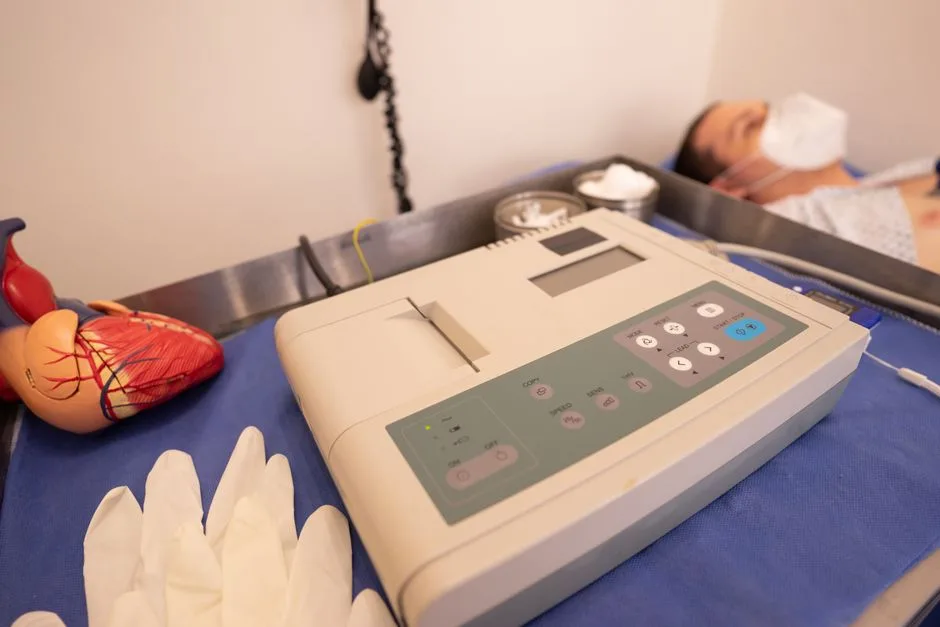
ECG (Electrocardiogram)
Records heart's electrical activity. Can show evidence of prior heart attack, arrhythmias, or acute ischemia. Takes 5 minutes. Cost: ₹300-500.
Echocardiography
Ultrasound of the heart showing chamber size, wall thickness, valve function, and heart's pumping ability. Takes 20-30 minutes. Cost: ₹1,500-3,000.
Cardiac Catheterisation (Angiography)
A catheter is threaded into heart arteries to visualize blockages. Done in catheterisation lab under sedation. Takes 30-60 minutes. Cost: ₹8,000-15,000. Often followed by angioplasty if blockage is found.
Stress Testing
ECG recorded while exercising (treadmill) or during medication stress (pharmacological stress test). Shows whether ischemia occurs. Cost: ₹2,000-5,000.
Blood Tests
Troponin (elevated after heart attack), BNP (elevated in heart failure), lipid profile, kidney function. Cost: ₹500-1,500.
Cardiac Procedures
Coronary Angioplasty
A balloon is inflated inside a blocked coronary artery to restore blood flow. Usually a stent (metal tube) is placed to keep the artery open. Recovery: hospital discharge same day or next day. Cost: ₹30,000-60,000.
Cardiac Surgery (Bypass)
Severely blocked coronary arteries that can't be treated with angioplasty require bypass surgery. A vein or artery is grafted to bypass the blockage. Hospital stay: 5-7 days. Recovery: 6-8 weeks. Cost: ₹150,000-300,000.
Valve Surgery
Damaged heart valves are repaired or replaced. Hospital stay: 5-7 days. Recovery: 8-12 weeks. Cost: ₹150,000-400,000 depending on valve type.
Costs of Cardiac Care in Kozhikode
Consultation
Cardiologist consultation: ₹500-800
Testing
- ECG: ₹300-500
- Echocardiography: ₹1,500-3,000
- Stress test: ₹2,000-5,000
- Cardiac catheterisation: ₹8,000-15,000
Medications
Daily cardiac medications: ₹200-500 per month
Procedures
- Angioplasty with stent: ₹30,000-60,000
- Bypass surgery: ₹150,000-300,000
- Valve replacement: ₹200,000-400,000
Hospital Companion Fee
₹1,200-1,600 per visit for outpatient consultations Extended support during hospital admission: ₹1,600-2,000 per day
Hospital Companion Services for Cardiac Patients
Professional companions are particularly valuable for cardiac patients due to the complexity of information and procedures involved.
Pre-Procedure Support
Before cardiac catheterisation or surgery, companions:
- Coordinate pre-operative testing (blood work, imaging, anesthesia evaluation)
- Explain procedure steps clearly
- Reduce anxiety through familiar support
- Ensure all pre-procedure instructions are understood and followed
During Procedure
Companions wait during procedures and are available immediately after, providing reassurance and relaying information from doctors to family.
Post-Procedure Support
After angioplasty or cardiac surgery, companions:
- Ensure wound care and activity restrictions are understood
- Provide daily updates on recovery progress
- Coordinate cardiac rehabilitation program enrollment
- Remind about medications
- Monitor for complications (chest pain, shortness of breath, arrhythmias)
Medication Management
Cardiac medications are multiple and complex. Companions help by:
- Photographing all prescribed medications
- Clarifying when each medication is taken
- Explaining medication side effects
- Coordinating refills
- Tracking medication adherence
Lifestyle Modification Support
After cardiac events, lifestyle changes are critical: diet, exercise, stress management. Companions provide:
- Explanation of dietary recommendations
- Encouragement for walking programs
- Coordination with cardiac rehabilitation
- Support during lifestyle transitions
NRI Families Managing Cardiac Disease Remotely
For NRI families with elderly parents with cardiac disease, managing care from abroad is anxiety-producing. You can't monitor daily, medication changes worry you, you wonder if your parent is following restrictions.
Professional companions solve this by:
- Providing daily updates on cardiac status
- Documenting all cardiac test results
- Explaining procedure steps before they occur
- Sending post-procedure status immediately
- Coordinating rehabilitation and follow-up
You receive complete information via WhatsApp, reducing anxiety and keeping you informed.
Cardiac Health: Preventive Steps
While professional support is important for those with established cardiac disease, prevention is paramount. If your parent is managing aging-related health concerns, our guide on elderly care hospitals provides comprehensive information on managing multiple conditions.
- Regular check-ups with blood pressure and lipid monitoring
- Medication adherence (statins, blood pressure medications)
- Diet: low salt, low saturated fat, high fiber
- Regular exercise: brisk walking 30 minutes most days
- Stress reduction and adequate sleep
- Smoking cessation if applicable
- Diabetes management if diabetic
Questions About Cardiac Care in Kozhikode?
Q: What's the difference between angina and heart attack? A: Angina is chest discomfort from reduced blood flow that resolves with rest. Heart attack is when blood flow is completely blocked, causing heart muscle death. Heart attack requires emergency care.
Q: Does my parent need bypass surgery if angiography shows blockage? A: Not necessarily. Some blockages are treated with angioplasty and stent placement. Others require bypass. The cardiologist recommends based on blockage severity and location.
Q: How long after angioplasty can my parent resume normal activities? A: Most activities within 1-2 weeks. Strenuous exercise in 4-6 weeks. Specific recommendations depend on how many stents and underlying heart function.
Q: Are cardiac medications for life? A: Most cardiac medications are long-term. Never stop medications without doctor consultation. Changes are made by the cardiologist based on response.
Q: Can my parent exercise after cardiac events? A: Yes, exercise is essential after heart attacks and cardiac procedures. Cardiac rehabilitation programs are designed for safe progression.
Ready to Book Cardiac Support in Kozhikode?
Managing cardiac disease requires specialized knowledge and consistent support. Professional companions ensure you're never missing critical cardiac information. Whether your parent needs an initial cardiac evaluation or is recovering from a procedure, we provide support.
Explore the full range of Kozhikode services and Starcare Hospital for additional cardiac care options.
Message us on WhatsApp to arrange:
- Companion for cardiology consultation
- Support during cardiac procedures
- Post-procedure monitoring and documentation
- Medication and lifestyle management support
Your parent's cardiac health is important. Let us help coordinate care.
Real-time updates on cardiac health without missed information.
Every consultation, test result, medication change is documented and sent to you immediately.
Frequently Asked Questions
Arrange professional cardiac care management in Kozhikode.
Message us on WhatsApp to coordinate cardiac consultations, testing, and ongoing monitoring support.
Presenza's care team writes practical guides for families managing elderly hospital visits and remote healthcare coordination.
Get our hospital visit checklist for families.
A practical guide to preparing for appointments, questions to ask doctors, and what to document. Free. No spam.