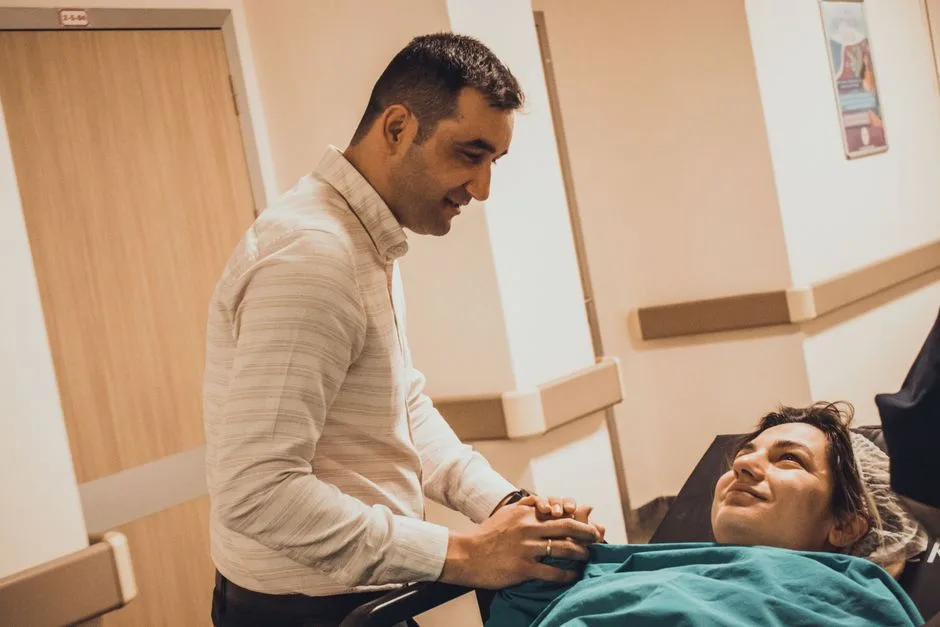
Families searching for location-specific support can also review our Kochi companion service details and then continue with this guide.
Professional companion support for cataract surgery in Kochi.
Cataract surgery is minor, but pre-op anxiety and post-op instructions need expert support.
Cataract surgery is one of the most common surgical procedures elderly patients undergo in Kochi. It's also one of the most anxiety-inducing for patients and families. Your parent is scheduled for surgery. They're nervous about anesthesia. You're worried about complications. The day comes, and you're torn between work and the need to be there. A trained surgical companion removes this anxiety by handling every aspect of the pre-op, operative, and post-op journey.
This guide covers what a professional companion service does for cataract surgery patients in Kochi, why it matters, and how to arrange one.
The Cataract Surgery Journey
Cataract surgery in Kochi typically involves:
Pre-Op (1-2 weeks before)
- Consultation with ophthalmologist
- Pre-op testing (visual acuity, eye measurement, general health assessment)
- Eye drops and pre-op medications
- Anxiety and questions about the procedure
Surgery Day
- Arrival 1-2 hours early for intake
- Pre-op measurements and anesthesia consultation
- Surgery (15-20 minutes per eye, though the whole process takes 1-2 hours)
- Recovery in post-op
- Discharge with post-op restrictions
Post-Op (1-4 weeks)
- Day 1 follow-up appointment
- Week 1 follow-up to confirm healing
- Gradual return to normal activities
- Eye drops, activity restrictions, and diet management
- Possible second-eye surgery (if bilateral cataracts)
For elderly patients, this journey is stressful without support.
Why a Companion Matters for Cataract Surgery
Cataract surgery is minor, but it requires significant pre-op and post-op attention. A trained companion provides:
Pre-Op Support and Anxiety Reduction
Your elderly parent is anxious about surgery. A companion:
- Explains the pre-op process step-by-step
- Helps with pre-op eye drops and medication compliance
- Answers your parent's questions and concerns
- Coordinates with the ophthalmologist if any pre-op tests or adjustments are needed
- Reduces your parent's anxiety by providing consistent, knowledgeable support
Hospital Navigation and Intake Coordination
Surgery day is confusing - multiple check-ins, different stations, anesthesia consultation, surgical consent forms. A companion:
- Arrives with your parent for pre-op intake
- Navigates check-in, reception, pre-op areas
- Ensures all pre-op testing is completed
- Confirms surgical details with the ophthalmologist
- Handles consent forms and paperwork
- Communicates with anesthesia staff about your parent's medical history
During Surgery and Recovery
While your parent is in surgery, a companion:
- Waits in the designated family area
- Stays updated on surgery progress
- Coordinates with the surgical team
- Receives post-op instructions and special care details
- Assists your parent in recovery room if permitted
- Ensures your parent is alert and comfortable before discharge
Post-Op Instructions and Adherence
Post-op instructions for cataract surgery are detailed:
- Eye drop schedule (multiple drops, multiple times per day)
- Activity restrictions (no bending, heavy lifting, strenuous exercise for 2+ weeks)
- Shower/bath restrictions (keep water out of eyes)
- When to wear protective eye shields or sunglasses
- When to return for follow-up
- Warning symptoms (sudden vision loss, increasing pain, discharge = emergency)
A companion:
- Writes down all post-op instructions clearly
- Takes photos of the eye drop schedule
- Confirms your parent understands restrictions
- Provides a post-op summary to you via WhatsApp
- Checks in during the first week to confirm compliance
Post-Op Follow-Up Appointments
Your parent needs a follow-up visit within 24 hours of surgery and again within 1-2 weeks. A companion:
- Escorts your parent to each follow-up
- Takes notes on doctor's feedback (healing progress, any concerns)
- Reports to you immediately if the doctor finds any complications
- Coordinates any additional treatments (if inflammation occurs, if glasses need adjustment, etc.)
Setting Up Cataract Surgery Companion Service
Step 1: Initial Consultation and Pre-Op Planning
Message a companion service with:
- Your parent's cataract surgery date and hospital
- Surgeon's name and hospital
- Pre-op appointment dates (if multiple pre-op visits are scheduled)
- Your parent's language preference
- Your parent's anxiety level and any medical concerns
- Contact information for updates
Step 2: Pre-Op Companion Assignment
If there are pre-op visits, the service can provide companion support:
- Accompanies your parent to pre-op consultations
- Takes notes on doctor's instructions and pre-op requirements
- Helps coordinate any pre-op testing
- Briefs your parent on what to expect on surgery day
- Reduces anxiety through familiarization
Step 3: Surgery Day Companion
On surgery day, a companion:
- Picks up your parent from home (1-2 hours before scheduled arrival)
- Escorts to the hospital, helps with parking/entry
- Stays throughout pre-op, operative, and recovery periods
- Coordinates with hospital staff
- Assists with post-op discharge instructions
- Provides complete post-op summary to you
Step 4: Post-Op Follow-Up Companionship
For post-op appointments (24-hour follow-up, 1-week follow-up), the service can:
- Escort your parent to the clinic
- Take notes on healing progress and doctor's instructions
- Report any concerns immediately
- Ensure post-op restrictions are understood and followed
What a Complete Cataract Surgery Companion Visit Includes
Surgery Day Package
Pre-Op (1-2 hours before surgery)
- Home pickup at agreed time
- Safe transportation to hospital
- Check-in assistance, paperwork, pre-op area navigation
- Pre-op testing coordination (eye dilation, measurements, anesthesia clearance)
- Your parent's anxiety support
During Surgery (1-2 hours)
- Companion waits in family area, stays updated
- Coordinates with surgical team
- Receives immediate post-op information
Post-Op Recovery (1-2 hours)
- Assists your parent in recovery room
- Ensures your parent is alert and pain-controlled
- Coordinates discharge paperwork
- Receives full post-op instructions from ophthalmologist
- Photographs eye drop schedule and written instructions
Safe Discharge and Home Escort
- Safe transportation home
- Ensures your parent rests appropriately
- Confirms understanding of post-op restrictions (no bending, no heavy lifting, no water in eyes)
- Confirms eye drop schedule with your parent
- Delivers complete written post-op summary to you within 1 hour
Post-Op Follow-Up Package
24-Hour Follow-Up Visit
- Home pickup and transport to clinic
- Clinic navigation
- Doctor's assessment and findings
- Post-op restriction confirmation
- Report to you on healing progress
Week 1-2 Follow-Up
- Second follow-up visit escort
- Doctor's clearance for gradual return to activities
- Any vision correction needs (glasses, contact lens adjustment)
- Report to you on final post-op status
Pricing for Cataract Surgery Companion Service
Surgery Day Companion Package (pre-op + operative + post-op discharge support):
- ₹2,500-₹4,000 for the full day
Post-Op Follow-Up Visits (each):
- ₹800-₹1,200 per visit
Complete Cataract Surgery Support (surgery day + 2-3 follow-up visits):
- ₹4,500-₹6,500 total
For bilateral cataract surgery (both eyes, typically 1-2 weeks apart):
- ₹8,000-₹12,000 total for both surgeries
Context:
- Cataract surgery cost: ₹30,000-₹80,000+ depending on hospital and lens choice
- Your time off work for surgery day + follow-ups: ₹2,000-₹5,000 in lost productivity
- Your stress and anxiety: priceless
A companion service is modest insurance for a high-stakes procedure.
Special Considerations for Elderly Cataract Patients
If Your Parent Has Other Medical Conditions
Anesthesia for elderly patients with heart disease, diabetes, or kidney disease requires careful coordination. A companion:
- Ensures your parent's full medical history is communicated to anesthesia
- Coordinates with the cardiologist or nephrologist if pre-op clearance is needed
- Monitors for any anesthesia-related complications post-op
- Reports immediately if your parent has unusual symptoms
If Your Parent Is Anxious About Surgery
Elderly patients often have surgery anxiety. A companion:
- Builds rapport before surgery day
- Explains the procedure in detail to reduce fear
- Stays calm and reassuring
- Communicates your confidence in the surgeon to your parent
If Your Parent Lives Alone
If your parent lives alone and you're not nearby:
- A companion ensures they're not alone on surgery day
- Post-op, a companion can check they're safely at home
- For the first 24 hours post-op, a companion can do a follow-up visit to ensure they're managing eye drops and restrictions correctly
If Your Parent Has Second-Eye Surgery Planned
If your parent needs surgery on both eyes (common for cataracts), a companion service can:
- Provide full support for first-eye surgery
- Provide full support for second-eye surgery (1-2 weeks later)
- Coordinate both surgeries with minimal disruption
Coordinating With Your Eye Doctor Post-Op
After cataract surgery, coordination with your eye doctor ensures optimal vision recovery:
Vision Prescription Changes
- Post-op vision stabilizes over 4-6 weeks as the eye heals
- Your parent's eyeglass or contact lens prescription will likely change
- A companion helps coordinate with an optometrist to get new glasses/lenses after stability
- This is especially important if your parent had a pre-op refractive error
IOL (Intraocular Lens) Selection
- Modern cataract surgery replaces the cloudy lens with an artificial lens (IOL)
- Different IOL types affect vision: standard lenses, multifocal lenses, astigmatism-correcting lenses
- Your companion can help your parent understand IOL choice and its post-op implications
- If your parent's vision doesn't meet expectations post-op, your doctor may discuss IOL exchange options
Post-Op Restrictions and Companion Support
Post-op, your parent must:
- Wear protective eye shield or goggles (especially during sleep)
- Use prescribed eye drops on strict schedule (typically 4x daily)
- Avoid bending, lifting, straining for 2+ weeks
- Avoid water in eyes (no swimming, limited showering)
- Avoid dusty or smoky environments
- Avoid driving until cleared by doctor (usually 1-2 weeks)
- Avoid strenuous exercise for 4+ weeks
A companion service can:
- Remind your parent of restrictions daily
- Help with household tasks your parent can't do (bending to pick things up, carrying heavy items)
- Coordinate meal preparation if needed
- Ensure eye drops are taken on schedule
- Check for warning symptoms (pain, vision loss, discharge)
When to Seek Emergency Care Post-Op
Your parent should seek immediate emergency care if they experience:
- Sudden vision loss or severe blurriness
- Severe eye pain (not just mild discomfort)
- Swelling or discharge from the eye
- Flashing lights or floaters (may indicate retinal issues)
- Nausea or vomiting (unusual post-op)
A trained companion knows these warning signs and will alert you immediately if any occur.
Getting Started
If your parent is scheduled for cataract surgery in Kochi, arrange a professional companion for the full journey - surgery day and post-op follow-ups:
Message on WhatsApp with:
- Surgery date and time
- Surgeon's name and hospital
- Your parent's language preference
- Any medical concerns (heart disease, diabetes, anxiety, etc.)
- Your contact information
The service will provide complete pre-op, operative, and post-op support, ensuring your parent is never alone and you're always informed.
For elderly cataract patients in Kochi, a professional companion transforms surgery from a scary, stressful experience into a well-managed medical event.
Reduce anxiety, ensure compliance, prevent complications.
Companion presence before/after surgery, clear post-op instruction documentation, immediate alert if issues arise.
Frequently Asked Questions
Arrange companion support for your parent's cataract surgery.
Message us with surgery date and hospital. We'll handle pre-op through post-op follow-ups.
Presenza's care team writes practical guides for families managing elderly hospital visits and remote healthcare coordination.
Get our hospital visit checklist for families.
A practical guide to preparing for appointments, questions to ask doctors, and what to document. Free. No spam.