Families searching for city-specific service details can review our Kochi or Bangalore companion service pages.
Diabetes management starts with understanding your parent's numbers.
Blood sugar targets, medication adherence, and diet consistency prevent complications like heart disease, kidney disease, and amputations. Our Kochi companions help monitor and manage daily diabetes care.
Your parent is 65 and has diabetes. The doctor says it's "well-controlled." But what does that mean? And what happens if it stops being controlled? And when does it become urgent enough to go to the hospital?
Most adult children managing parents with diabetes know the basics: medication, diet, exercise. But diabetes in elderly people is more complex than in younger patients. Medications that work at 45 can stop working at 75. Kidney function changes how medications work. Vision and memory issues make adherence harder. The definition of "good control" is different when your parent is 75 versus 55.
This guide covers what you need to know about managing diabetes in aging parents—from understanding what happens without treatment to preventing the complications that land elderly diabetics in the hospital.
Why Diabetes is Different in Elderly People
Diabetes is simply elevated blood sugar. High blood sugar damages blood vessels over time. This damage shows up as:
- Heart disease (most common cause of death in elderly diabetics)
- Kidney disease (can lead to dialysis or transplant)
- Neuropathy (nerve damage causing numbness, pain, or falls)
- Retinopathy (eye damage leading to blindness)
- Foot ulcers (infections that can lead to amputation)
These complications take 10-20 years to develop. But in elderly patients, the timeline is compressed. A 60-year-old with newly diagnosed diabetes has a different prognosis than a 75-year-old with newly diagnosed diabetes, even if their blood sugar numbers are identical.
Why? Elderly diabetics have less time for complications to develop, but when they do, they happen faster. An elderly patient's kidneys are already weaker. Their immune system is already weaker. An infection that a 45-year-old would fight off easily can become sepsis in a 75-year-old.
Additionally, the goal of diabetes management changes with age. For a 45-year-old, the goal is tight control (blood sugar 90-130 fasting) to prevent 20-year complications. For a 75-year-old with kidney disease and frequent falls, tight control increases the risk of hypoglycemia (low blood sugar), which causes dizziness, falls, and strokes. A looser target (140-180) might be safer.
Understanding Blood Sugar Numbers
Fasting blood sugar (before eating):
- Normal: less than 100 mg/dL
- Prediabetes: 100-125
- Diabetes: 126 or higher
HbA1c (3-month average):
- Normal: less than 5.7%
- Prediabetes: 5.7-6.4%
- Diabetes: 6.5% or higher
2-hour blood sugar after meals:
- Normal: less than 140
- Prediabetes: 140-199
- Diabetes: 200 or higher
For elderly patients, HbA1c targets are typically:
- Age 65-75, healthy: below 7% (same as younger)
- Age 75+, with complications: 7-8% (looser control acceptable)
- Age 80+, with frailty: 8-9% (prevent hypoglycemia)
The key difference: Your elderly parent doesn't need the same blood sugar numbers as a younger person. Aggressive control in elderly patients increases fall risk from hypoglycemia.
Medications for Diabetes in Elderly Parents
Metformin (first-line medication):
- Dose: Usually 500-1000mg twice daily
- Effect: Reduces liver glucose production, improves insulin sensitivity
- Risk in elderly: Kidney damage can cause metformin to accumulate and cause lactic acidosis (rare but serious)
- Monitor: Kidney function (creatinine) at least yearly
Sulfonylureas (Glibenclamide, Gliclazide):
- Effect: Stimulate pancreas to release insulin
- Risk in elderly: High risk of hypoglycemia, can cause severe low blood sugar episodes
- Avoid if possible in patients over 75
GLP-1 agonists (Dulaglutide, Semaglutide):
- Effect: Slow digestion, increase insulin, reduce appetite
- Benefit in elderly: Also reduce heart disease risk
- Drawback: Injectable (weekly), higher cost, not suitable for kidney disease
SGLT2 inhibitors (Empagliflozin, Dapagliflozin):
- Effect: Kidney helps excrete glucose through urine
- Benefit: Reduce heart disease and kidney disease
- Drawback: Require adequate kidney function, can cause urinary tract infections in elderly women
Insulin:
- Used when oral medications fail
- Requires blood sugar monitoring, injection training
- Risk: High risk of hypoglycemia in elderly; requires careful dosing
Medication Adherence: The Real Problem
Studies show that 50% of elderly people don't take their medications as prescribed. The reasons:
- Too many pills: Some elderly patients are on 5-10 medications. Remembering which to take when is hard.
- Cost: Medications are expensive, especially on retirement income.
- Side effects: Metformin causes stomach upset in some people. GLP-1 agonists can cause nausea.
- Cognitive issues: Memory loss, dementia, or just aging make adherence harder.
- Motivation: If your parent feels fine, why take pills for an invisible disease?
What helps:
- Pill organizers (weekly or daily compartments)
- Setting phone reminders for medication times
- Pairing medication with meals (take pill when eating breakfast)
- One companion who manages medications consistently
- Simplifying to once-daily medications when possible (ask doctor if feasible)
Monitoring Blood Sugar at Home
Who needs home monitoring?
- Patients on insulin (essential)
- Patients on medications that can cause low blood sugar (sulfonylureas, GLP-1)
- Patients with poor control despite medication
- Elderly patients prone to hypoglycemia
Who doesn't need daily monitoring?
- Patients on diet and exercise alone
- Patients on metformin only
- Patients with stable, well-controlled diabetes (can check monthly or quarterly)
How to monitor:
- Check fasting blood sugar each morning (or 3 times per week)
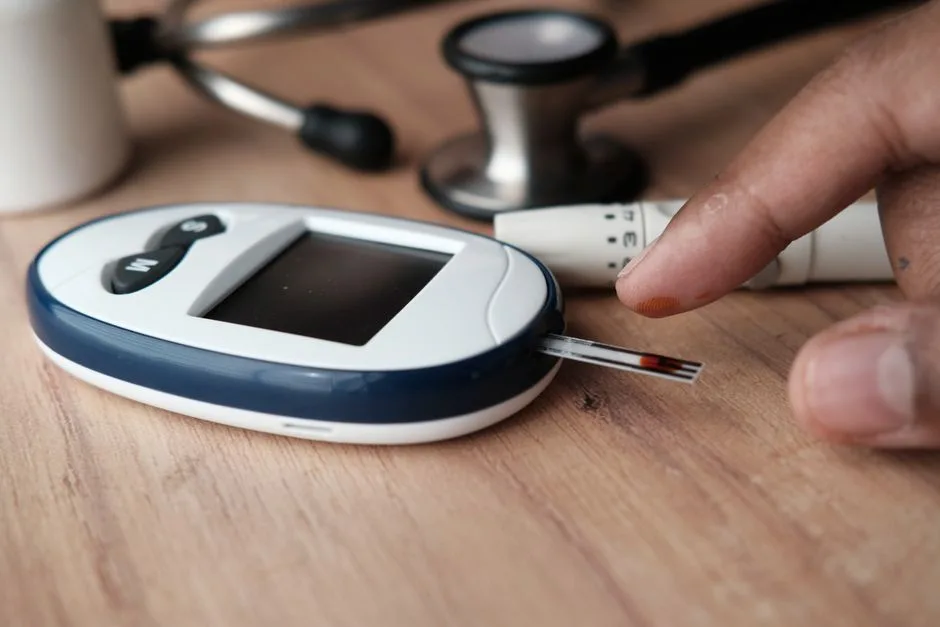
- Use a glucose meter: prick finger, place drop of blood on test strip, wait 5-10 seconds for reading
- Record result (phone app or logbook)
- Share readings with doctor at each visit
Cost: Glucose meters are cheap (~₹2,000); test strips are the ongoing cost (~₹10-20 per test). A patient checking twice daily spends ~₹600-1200/month on strips.
Red flags (when to call doctor):
- Fasting blood sugar consistently >200
- Blood sugar dropping below 70 (hypoglycemia)
- Blood sugar jumping erratically (morning 90, afternoon 250)
- Any chest pain, shortness of breath, or severe headache
Diet and Diabetes Control
The goal is stable blood sugar, not zero carbohydrates. Cutting carbs too drastically can cause hypoglycemia in patients on insulin.
Foods that stabilize blood sugar:
- Vegetables (leafy greens, broccoli, peppers, tomatoes) - unlimited
- Protein (fish, chicken, eggs, lentils, tofu) - with every meal
- Whole grains in small portions (brown rice, whole wheat roti - 1 cup per meal)
- Healthy fats (olive oil, nuts, avocado) - in moderation
Foods that spike blood sugar:
- Sugary drinks (juice, cola, sweet tea)
- White rice, white bread, refined flour
- Sweets and desserts
- Fried foods and fatty meats in large quantities
Practical meal structure for elderly parents:
- Breakfast: Vegetable omelet + 1 roti + tea with no sugar
- Lunch: Grilled fish or dal + brown rice (1 cup) + vegetable curry
- Dinner: Light curry with vegetables + roti
- Snacks: Nuts, plain yogurt, or vegetable sticks (no chips, no cookies)
Don't:
- Restrict food so much that your parent feels deprived
- Eliminate all carbs (can cause low blood sugar)
- Make meals that only the diabetic person eats (family eats together)
Exercise and Diabetes
Exercise improves insulin sensitivity, meaning medications work better. Even light activity helps.
What works for elderly diabetics:
- Walking: 30 minutes daily, moderate pace (can speak but not sing)
- Swimming or water aerobics: Excellent for joints, improves fitness
- Resistance training: 2-3 times per week, bodyweight or light weights
Schedule: Exercise should be at the same time each day. If your parent takes medication at 8 AM, exercise at 9 AM (one hour after medication). This prevents hypoglycemia.
Warning signs to stop exercise:
- Chest pain or shortness of breath
- Severe dizziness
- Pain in legs (may indicate poor circulation)
- Blood sugar dropping below 100 before exercise (eat a snack first)
Preventing Major Complications
Heart disease (most common diabetes death):
- Medication: Aspirin (if tolerated), ACE inhibitors, statins
- Diet: Reduce salt, limit saturated fat
- Monitoring: Annual EKG, stress test if symptoms
- When to go to hospital: Chest pain, shortness of breath at rest, severe dizziness
Kidney disease (can lead to dialysis):
- Monitoring: Kidney function (creatinine, eGFR) annually
- Medication: ACE inhibitors slow kidney damage
- Warning signs: Swelling in legs/face, fatigue, shortness of breath
- When to go to hospital: Blood pressure >180/110, inability to urinate, confusion
Foot problems (can lead to amputation):
- Check feet daily: Look for cuts, ulcers, color changes, swelling
- Wash feet daily with warm water and soap
- Wear proper shoes (not tight, not open-toed)
- Get annual foot exam from podiatrist
- When to go to hospital: Foot ulcer, severe pain, warmth/redness spreading
Neuropathy (nerve damage):
- Symptoms: Numbness, tingling, burning in feet or legs
- Increases fall risk
- Medication: Pregabalin or gabapentin
- Prevention: Good blood sugar control, vitamin B12 supplementation
- When to go to hospital: Sudden numbness, inability to feel feet, severe pain
Hospital Visits and Diabetes
Most hospital visits for elderly diabetics are for:
- Heart attack or unstable angina
- Kidney disease progression
- Infections (urinary tract, skin, pneumonia) that spread
- Diabetic ketoacidosis or hyperosmolar state (high blood sugar emergency)
- Stroke
What happens at the hospital:
- Blood work: Full metabolic panel, HbA1c, kidney function, blood pressure
- EKG or stress test if chest symptoms
- Medication review: Often changed during hospitalization
- Specialist consultation: Cardiologist if heart, nephrologist if kidney
- Education: How to prevent readmission
Your role as a family member:
- Bring list of all current medications
- Report any recent medication changes or side effects
- Ask what caused the hospital visit and what changes are needed
- Confirm discharge medications (any changes from home medications?)
- Schedule follow-up appointments before leaving hospital
When Diabetes Becomes an Emergency
Go to the hospital immediately if your parent has:
Hypoglycemic crisis (blood sugar below 70):
- Symptoms: Trembling, sweating, confusion, slurred speech, loss of consciousness
- Treatment: If conscious, give 15g fast carb (glucose tablet, juice, honey); if unconscious, call ambulance
Hyperglycemic crisis (blood sugar >350):
- Symptoms: Extreme thirst, dry mouth, frequent urination, fatigue, nausea
- Can lead to diabetic ketoacidosis (life-threatening)
Heart symptoms:
- Chest pain, pressure, or discomfort
- Shortness of breath
- Pain in arm, jaw, or back
Severe infections:
- High fever (>39°C) with chills
- Confusion or altered mental state
- Difficulty urinating or urgent urination
- Spreading redness from a wound
The Companion's Role in Diabetes Management
A trained companion can:
- Remind your parent to take medications on time
- Monitor for side effects (nausea, dizziness, foot problems)
- Ensure diet consistency (no sneaking sweets)
- Encourage daily walking or exercise
- Observe for warning signs (increased thirst, unusual fatigue)
- Attend hospital appointments and take notes
- Communicate any concerns to you via WhatsApp
This ensures your parent's diabetes doesn't cause unexpected hospital visits while you're managing from abroad or from another city.
Moving Forward
Diabetes in elderly parents is manageable but requires attention. The goal isn't perfect blood sugar numbers—it's preventing the hospital visits that diabetes causes. Medication adherence, monitoring, diet, and exercise prevent 80% of complications.
Your parent at 75 with well-managed diabetes will live many more years. Your parent at 75 with poorly managed diabetes will have hospital visits that could have been prevented.
The difference is consistency, not perfection.
Preventing diabetes complications requires consistent support.
Medication reminders, blood sugar monitoring, diet consistency, and early warning sign recognition prevent hospital visits. We coordinate these daily to keep your parent healthy.
Frequently Asked Questions
Ready to prevent diabetes complications?
Contact us on WhatsApp to arrange a companion who understands diabetes management and can support your parent's health from day to day.
Presenza's care team writes practical guides for families managing elderly hospital visits and remote healthcare coordination.
Get our hospital visit checklist for families.
A practical guide to preparing for appointments, questions to ask doctors, and what to document. Free. No spam.