Families searching for city-specific service details can review our Kochi or Bangalore companion service pages.
Managing elderly parent healthcare is a system, not a series of appointments.
Preventive care, specialist coordination, medication management, and family communication together create successful health management.
Managing an elderly parent's healthcare isn't a series of isolated hospital visits. It's a coordinated system of preventive care, specialist visits, medication management, lifestyle support, and family coordination. When this system works well, elderly parents maintain health, prevent complications, and enjoy quality of life. When it breaks down, preventable conditions develop, medication errors occur, and healthcare becomes reactive and expensive.
Kottayam families have access to excellent healthcare infrastructure and specialist expertise. Yet many families struggle to coordinate this effectively. Which doctors should your parent see regularly? Which hospital should be the primary center? How do you ensure different specialists communicate with each other? How do you maintain organized medical records? How do you manage preventive care while also handling acute conditions?
This guide provides a holistic framework for managing elderly parent healthcare in Kottayam.
The Components of Successful Elderly Care Management
1. Preventive Healthcare Foundation
Preventive care is the cornerstone of successful elderly health management:
Annual Comprehensive Health Check-Up
Every elderly parent should have annual comprehensive assessment including:
- Physical examination by general medicine doctor
- Blood pressure, weight, BMI assessment
- Blood work: lipids, blood sugar, kidney function, liver function, complete blood count
- ECG (more frequently if cardiac risk)
- Cardiac echo for those with cardiac risk factors
- Cancer screening appropriate for age (colonoscopy, mammography, etc.)
- Vision and hearing assessment
- Cognitive assessment (dementia screening)
- Nutritional assessment
Cost: ₹5,000-10,000 per year. Early detection of conditions often makes treatment simpler and outcomes better.
Immunization Program
- Annual influenza vaccine
- Pneumococcal vaccine (if not previously given)
- Herpes zoster vaccine (shingles)
- Tdap or Td booster as needed
These vaccines prevent serious infections in elderly.
Chronic Disease Optimization
For elderly with established conditions (diabetes, hypertension, cardiac disease), regular monitoring and medication optimization:
- Diabetes: Visit endocrinologist or general medicine doctor every 3 months, HbA1C testing
- Hypertension: Every 3 months with home blood pressure monitoring
- Cardiac disease: Every 6 months with periodic ECG, echocardiography
- Arthritis: As symptoms change, may need orthopedic consultation
Regular visits catch disease progression early, allowing medication adjustments before complications develop.
2. Primary Care Doctor Coordination
Establish a primary care doctor (general medicine or family medicine) who:
- Knows your parent's complete medical history
- Coordinates across multiple specialists
- Reviews medications for interactions
- Manages preventive health
- Coordinates emergency care
This central coordination prevents fragmentation when your parent sees multiple specialists.
3. Specialist Network
Depending on your parent's conditions, establish relationships with:
- Cardiologist (if cardiac history or risk factors)
- Endocrinologist (if diabetic)
- Orthopedic surgeon (if significant joint problems—see our orthopedic care guide for options)
- Neurologist (if stroke history or cognitive concerns)
- Gastroenterologist (if GI issues)
- Nephrologist (if kidney disease)
Each specialist should provide findings to your primary care doctor for coordination.
4. Organized Medical Records
Maintain organized records of:
- All diagnoses and medical history
- Current medications (names, dosages, timing, why taking each)
- Allergies and adverse medication reactions
- Recent test results and imaging
- Doctor contact information
- Hospital admission history
- Surgical history
Digital organization (photos on WhatsApp, shared cloud folder, email) works better than paper for families managing care across distances.
5. Medication Management System
Medication errors are common in elderly on multiple medications:
Organize Medications:
- Keep all medications in original bottles with labels
- Use pill organizer with days/times marked
- Keep updated list of all medications with reasons
- Share medication list with all doctors
Monitor for Interactions:
- Ask pharmacist about interactions when adding new medications
- Have primary care doctor review all medications annually
- Discontinue unnecessary medications
Adherence Support:
- Use pill organizers and alarms
- Have companion help with refills
- Schedule medication review with pharmacist
6. Lifestyle Support
Beyond medical care, lifestyle factors determine health outcomes:
Nutrition:
- Balanced diet with adequate protein (important for recovery from illness)
- Adequate hydration
- Avoid excess salt (important for hypertension and heart disease)
- Manage weight if overweight
Physical Activity:
- Regular walking (even 20-30 minutes daily helps)
- Strength training if able (prevents falls and maintains function)
- Flexibility and balance exercises (prevent falls)
Mental Health:
- Social connections and activities
- Cognitive engagement
- Stress management
- Depression screening and treatment if needed
Sleep:
- Adequate sleep (7-8 hours)
- Address sleep disorders
7. Family System & Support
Successful elderly care requires family involvement:
Communication System:
- Regular family meetings (monthly) to discuss parent's health
- Shared medical records accessible to involved family
- WhatsApp group or email updates on health status
- Clear decision-making process for major healthcare decisions
Support Distribution:
- Don't expect one family member to handle everything
- Divide responsibilities: medication oversight, appointment scheduling, financial management
- Include elderly parent in decision-making when possible
Care Transitions:
- When primary caregiver changes (job, relocation, illness), transition care smoothly
- Don't let healthcare coordination lapse during family transitions
Kottayam's Healthcare Resources
Primary Care Options
- General medicine doctors: Available in private practice and hospitals
- Family medicine specialists: Increasingly available
- Government primary health centers: Accessible but often limited specialist access
For elderly with multiple conditions, private primary care doctors with good specialist access are often preferred.
Hospital Options
- Caritas Hospital: Large, comprehensive, strong for complex cases — see our companion guide
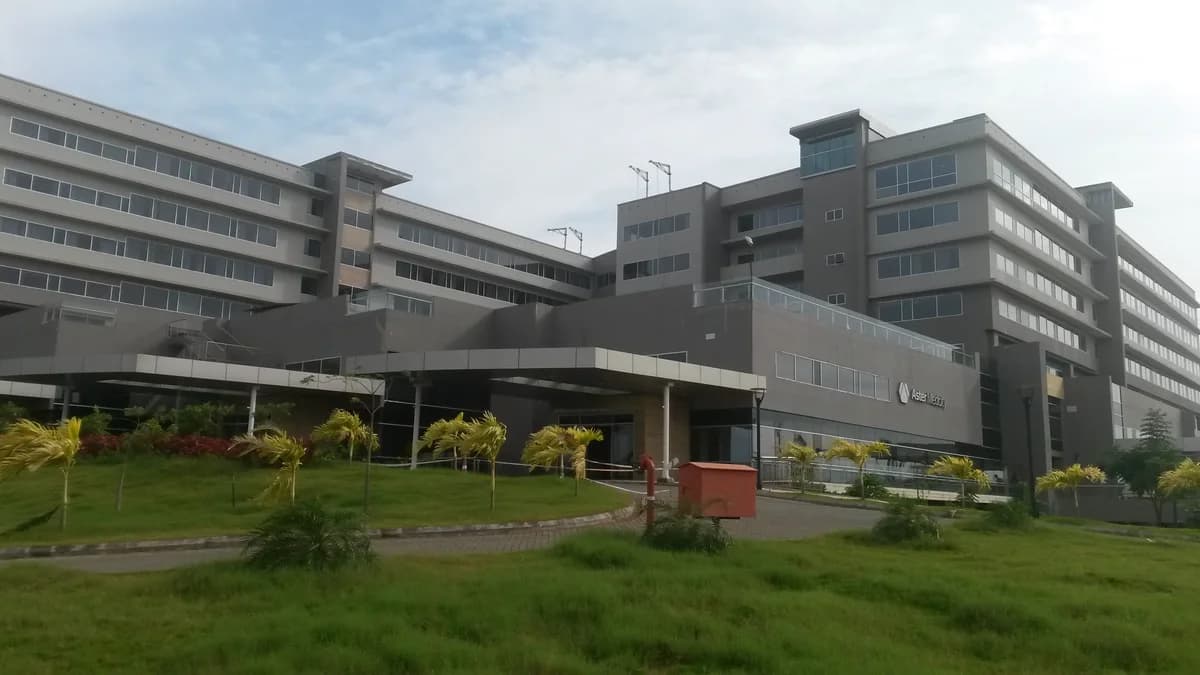
- Aster Medcity: Modern, preventive focus, organized systems — see our hospital guide
- Mount Carmel Hospital: Smaller, accessible, good for routine care
Most families maintain relationships with 1-2 primary hospitals. For detailed hospital comparison and selection guidance, see our hospital selection guide.
Specialist Availability
Kottayam has good availability of most major specialists. Rarely does a patient need travel beyond Kottayam for specialist care except for very rare conditions.
Diagnostic Services
All major hospitals have:
- Laboratory services
- Imaging (ultrasound, CT, MRI)
- ECG and cardiac testing
- Endoscopy capabilities
- Pathology services
Professional Companion Support for Coordinated Care
Professional companions enhance coordinated care by supporting various roles. For hospitalization needs, professional bystander services provide round-the-clock support. For outpatient appointments, companions ensure clear information documentation and family updates.
Appointment Coordination
- Helping schedule appointments at appropriate intervals
- Ensuring appointments are kept
- Coordinating multiple specialist appointments
- Managing waiting times and logistics
Information Continuity
- Taking detailed notes during doctor visits
- Ensuring information is accurate and complete
- Sharing findings between doctors when appropriate
- Maintaining organized medical records
Family Communication
- Daily or weekly health updates via WhatsApp
- Medication changes and new prescriptions documented
- Test results shared with family immediately
- Concerning symptoms reported immediately
Preventive Care Coordination
- Scheduling annual health check-ups
- Ensuring immunizations are current
- Coordinating chronic disease monitoring visits
- Tracking preventive care compliance
Health Advocacy
- Asking questions on your parent's behalf
- Ensuring medical information is understood
- Supporting your parent during difficult healthcare decisions
- Monitoring for quality of care issues
Timeline for Elderly Health Management
Every Month
- Monitor blood pressure (home or clinic)
- Medication review (adherence, side effects)
- Nutrition and weight assessment
- Activity level and function
Every 3 Months
- Chronic disease follow-ups (diabetes, cardiac, arthritis as needed)
- Medication review for adjustments
- Test results review with primary doctor
Every 6 Months
- Cardiac assessment (for those with cardiac history)
- Kidney function review
- Medication and therapy effectiveness review
Annually
- Comprehensive health check-up
- Immunization review and updates
- Cancer screening as age-appropriate
- Vision and hearing assessment
- Cognitive assessment
- Medication review for discontinuation of unnecessary medications
As Needed
- Acute illness evaluation
- Specialist consultation for new symptoms
- Medication adjustments for changing conditions
- Hospital admission and rehabilitation
NRI Families: Managing Care from Abroad
For NRI families managing elderly parents in Kottayam from abroad:
System That Works:
- Establish primary care doctor in Kottayam who coordinates overall care
- Use professional companions for all appointments
- Arrange annual health check-ups during your annual visit if possible
- Receive monthly WhatsApp updates from companion
- Review test results and medication changes via email
- Have annual "state of health" conversation with primary doctor and parent
- Make major healthcare decisions collaboratively with local doctor and parent
This system means:
- Your parent has regular professional healthcare
- You stay informed on manageable schedule
- Healthcare decisions are coordinated, not reactive
- Preventive care is organized and current
- Emergencies are managed locally with your input
Questions About Managing Elderly Care in Kottayam?
Q: How do I coordinate across multiple doctors? A: Establish primary care doctor who coordinates, share medical records with all doctors, and use professional companions to ensure communication between specialists.
Q: How often should my parent see doctors? A: Annual comprehensive check-up is baseline. Additional visits depend on conditions: chronic diseases typically need 3-6 month follow-ups, acute problems require evaluation as they arise.
Q: Should my parent have all doctors at one hospital? A: Ideally yes, for record-keeping and coordination. If specific specialist is unavailable at primary hospital, may need to use different hospitals, but ensure primary care doctor coordinates findings.
Q: How do I ensure preventive care doesn't get neglected? A: Schedule annual health check-up in advance, mark calendar for vaccinations, and use companion or primary doctor reminder system for routine screening.
Q: What if my parent is resistant to preventive care? A: Frame preventive care as maintaining independence and quality of life, not as treatment of disease. Many elderly respond better to this framing.
Q: Should I expect my parent to manage healthcare alone? A: Rarely successfully. Even cognitively intact elderly often forget appointments, misunderstand instructions, or minimize symptoms. Professional support ensures nothing falls through the cracks.
Ready to Establish Comprehensive Healthcare Management?
Managing elderly parent healthcare in Kottayam can be organized, preventive, and coordinated. Professional companions support this system by providing reliable information, appointment coordination, and family communication. Review all Kottayam healthcare services to build your parent's complete care ecosystem.
Message us on WhatsApp to arrange:
- Annual comprehensive health check-up coordination
- Monthly appointment scheduling and accompaniment
- Preventive care coordination and reminders
- Medication management support
- Family health updates and documentation
We'll help establish and maintain a coordinated healthcare system that keeps your parent healthy and informed.
Professional companions organize your parent's entire healthcare system.
From preventive check-ups through specialist coordination to medication management, companions ensure nothing falls through.
Frequently Asked Questions
Establish comprehensive healthcare management for your Kottayam parent.
Message us on WhatsApp to arrange coordinated care including preventive health, specialist management, and family communication.
Presenza's care team writes practical guides for families managing elderly hospital visits and remote healthcare coordination.
Get our hospital visit checklist for families.
A practical guide to preparing for appointments, questions to ask doctors, and what to document. Free. No spam.