Families searching for city-specific service details can review our Kochi or Bangalore companion service pages.
Isolation is a silent killer of elderly parents. Connection is the antidote.
Regular social engagement, meaningful activities, and mental health support keep your parent healthy and mentally sharp.
Your parent sits at home. They watch TV. They wait for your visit. They see a doctor. The appointment ends. They go home. Weeks go by between doctor visits.
This is not aging. This is isolation. And it is devastating.
Isolation is not just lonely. It is a health risk. Isolated elderly adults have higher rates of depression, cognitive decline, falls, and earlier death. Isolation is as dangerous as smoking.
Yet many elderly parents become isolated, sometimes without anyone noticing until depression sets in.
This guide covers how to help your parent stay connected and mentally healthy.
Why Isolation Happens
Your parent did not choose isolation. It usually happens gradually:
- Mobility limitations: Your parent cannot walk far or use public transport. Friends are scattered. Staying home is easier.
- Loss of peers: Friends die. Spouse dies. Colleague networks end. Fewer people to connect with.
- Hearing loss or communication difficulty: It is harder to participate in group conversation.
- Reduced family involvement: Adult children are busy. Visits are less frequent. Calls are brief.
- Depression or anxiety: Mental health issues make socializing feel impossible.
- Transportation barriers: No driver, no public transport. Depends on family for rides.
- Grief: Loss of role, independence, spouse, friends. Hard to engage with life.
Isolation is often not laziness. It is accumulated barriers.
Recognizing Depression in Elderly Parents
Depression in elderly often looks different than in younger people. Watch for:
- Persistent sadness or empty feeling
- Loss of interest in activities they used to enjoy (not just saying they don't feel like it, but actually not interested)
- Worthlessness or guilt: "I am a burden." "Why am I still alive?"
- Difficulty concentrating or making decisions
- Sleep changes (insomnia or sleeping too much)
- Appetite changes (eating more or less)
- Fatigue or low energy (all day)
- Unexplained physical complaints (joint pain, headache with no medical cause)
- Thoughts of death or suicide (take this seriously)
Depression is not normal aging. It is an illness that responds to treatment.
If you recognize these signs: tell your parent's doctor. Depression is treatable. Medication and/or therapy work.
Activities That Combat Isolation
Your parent does not need a rich social schedule. They need regular connection and engagement.
In-person interaction:
- Family visits (even brief, regular ones are better than occasional long ones)
- Calls with friends or family (video is better than voice-only, voice is better than text)
- Group activities: senior centers, religious organizations, clubs, classes
- Volunteering or helping others (gives purpose)
Structured activities:
- Exercise class (social + physical benefit)
- Religious services or spiritual groups
- Hobby groups (gardening, cards, music, crafts)
- Educational activities (lectures, learning new skills)
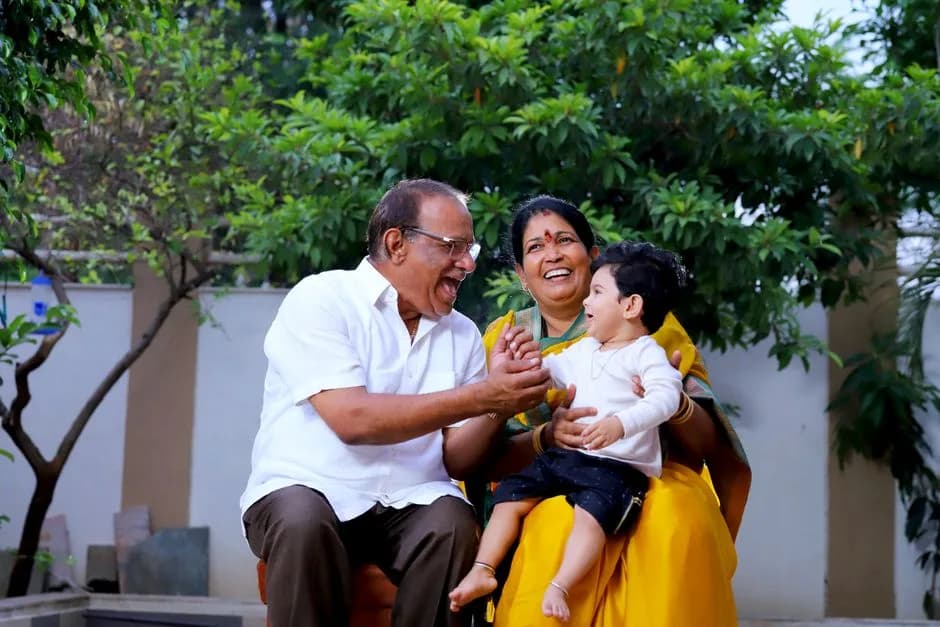
- Intergenerational (spending time with grandchildren)
At-home engagement:
- Puzzles, games, reading
- Cooking or baking
- Gardening
- Art or music
- Learning new skills (computer, language)
Pets or plants:
- Caring for an animal gives purpose
- Plants create routine and responsibility
- Both provide comfort and connection
Purpose-driven activities:
- Mentoring younger family
- Organizing family history or photos
- Writing memoirs or letters
- Teaching skills to grandchildren
- Storytelling
Activities that combine social connection with purpose are most protective.
The Role of Adult Children in Preventing Isolation
You are important. Even brief, regular contact from you makes a difference.
What helps:
- Regular visits (weekly or twice-weekly is reasonable)
- Predictable schedule (same day and time if possible)
- Full attention (not on your phone)
- Conversation about your parent's life and interests
- Bringing them to activities when possible
- Facilitation (helping them connect with others)
What doesn't help:
- Occasional guilt-driven visits
- Visits focused only on medical/practical matters
- Long visits spaced far apart
- Checking in only when in crisis
Regular, brief, present contact is more valuable than irregular long contact.
Facilitate other connections:
- Help them stay in touch with friends (provide phone numbers, transportation)
- Involve grandchildren (arrange visits, video calls)
- Connect them to community (find senior centers, classes, groups)
- Help transport to activities
- Encourage hobbies and interests
You are the bridge to the outside world for many elderly parents.
Community Resources and Programs
Many communities have resources your parent might not know about:
Senior centers:
- Meals, social activities, classes, healthcare screenings
- Usually free or very low cost
- Check for centers in your area
Religious organizations:
- Services, social groups, community meal programs
- Not required to be religious to participate
- Often transportation provided
Government programs:
- Pension or assistance programs
- Preventive health screenings
- Senior citizen discounts and benefits
Healthcare-based programs:
- Hospital social workers can connect elderly to resources
- Some hospitals have geriatric care coordination programs
- Ask your parent's doctor about available services
Online and virtual:
- Video calls with family and friends
- Online classes (art, language, exercise)
- Virtual communities of interest
- Accessible for homebound elderly
Ask your parent's doctor or social worker about local resources.
Technology and Connection
Many elderly resist technology. But it can be powerful for connection:
Video calls:
- FaceTime, WhatsApp, Zoom
- More personal than voice alone
- Grandchildren can visit virtually
- Slightly better tech literacy can open world
Social media:
- Some elderly use Facebook or Instagram to stay connected
- Can be overwhelming; start simple
- Better to have one or two people they regularly video call than broad social media use
Online learning:
- Classes, lectures, tutorials on interests (gardening, history, cooking)
- Structured learning provides engagement and purpose
But technology is not a replacement for in-person connection. Virtual is better than nothing. In-person is better than virtual.
Managing Your Parent's Expectations
Some elderly parents expect constant contact from adult children. This is unrealistic and sets you both up for resentment.
Clarify expectations:
- What frequency of contact is actually possible from you?
- What can other family or friends provide?
- What can community resources provide?
Realistic family contact:
- One visit per week for local family
- One phone call per week for distant family
- Brief but consistent is better than irregular guilt-driven contact
Set this boundary clearly:
- "I love you. I can visit Sundays from 3-4 PM. That is when I am available. Other times, you can call me or visit the senior center."
- Stick to it consistently
- This is not rejection. It is sustainability.
When to Seek Professional Mental Health Support
Your parent's doctor or a therapist can help with:
- Depression: Medication and therapy are effective
- Anxiety: Often treatable with medication or therapy
- Grief processing: Therapy helps process loss
- Adjustment issues: Help adapting to aging and changes
- Cognitive stimulation: Programs for memory and cognitive health
Do not assume depression is normal aging. It is not. It is treatable.
The Compound Effect of Connection
A single activity does not transform isolation. But regular connection compounds:
- One day per week at senior center + weekly visit from family + video call with grandchildren + volunteer work = powerful protection against isolation
- Isolation breeds depression, which prevents connection, which deepens isolation
- Connection breeds engagement, which improves mood, which enables more connection
Small, consistent connection is more important than big, occasional connection.
Creating a Connection Plan for Your Parent
Step 1: Assess current isolation
- How often does your parent see others?
- How many people does your parent interact with per week?
- Does your parent have activities outside the home?
Step 2: Identify barriers
- Transportation?
- Health limitations?
- Hearing or communication difficulty?
- Social anxiety or fear?
- Practical obstacles (childcare, work)?
Step 3: Create plan
- What commitment can you make (visits, calls, transport)?
- What community resources exist?
- What activities suit your parent's interests?
- How will you overcome barriers?
Step 4: Implement consistently
- Start with one or two activities
- Make it routine (same time, same place)
- Invite friends or family to join
- Evaluate after 4-6 weeks
Step 5: Monitor mental health
- Watch for signs of depression
- Adjust activities if parent withdraws
- Involve doctor if concerns
Connection is not optional. It is essential health maintenance.
The Bottom Line
Your parent does not need a busy social calendar. They need regular, meaningful connection. They need to feel part of something. They need purpose.
You cannot provide all of this alone. But you can facilitate it: helping them connect with family, community, activities, and meaning.
This is how you prevent the slow fade of isolation. And how your parent ages with engagement, dignity, and mental health.
Complete Your Parent's Wellbeing
Mental health and social connection are as important as physical health.
See our guide to managing caregiving for elderly parents for overall caregiver strategies.
For comprehensive support in maintaining your parent's health and wellbeing, our caregiver support service helps coordinate activities, monitor mental health, and ensure your parent stays connected and engaged.
You are the bridge to the outside world for many elderly parents.
Your presence, facilitation of connections, and encouragement of activities profoundly impact your parent's wellbeing.
Frequently Asked Questions
Help your parent stay connected and mentally healthy.
Message us on WhatsApp. We help coordinate social activities, identify depression, and support your parent's mental health.
Presenza's care team writes practical guides for families managing elderly hospital visits and remote healthcare coordination.
Get our hospital visit checklist for families.
A practical guide to preparing for appointments, questions to ask doctors, and what to document. Free. No spam.