Families searching for city-specific service details can review our Kochi or Bangalore companion service pages.
Arthritis limits mobility, but with proper management, your parent can stay active.
Exercise, medications, weight management, and assistive devices keep your parent mobile and independent.
Your parent's hands hurt. They cannot open jars. Climbing stairs is painful. Getting up from a chair takes forever. They are slower, stiffer, moving less.
This is arthritis. And it is one of the most common conditions in elderly. One in two adults over 65 has arthritis.
But arthritis is not a life sentence of immobility. With proper management—exercise, medications, weight management, assistive devices—your parent can stay mobile and active, with manageable pain.
This guide covers what you need to know about arthritis in elderly parents.
Types of Arthritis in Elderly
Osteoarthritis (OA):
- Most common type in elderly
- Wear-and-tear degeneration of cartilage
- Usually affects knees, hips, hands, spine
- Develops gradually over years
- More common in women
- Risk factors: Age, obesity, previous joint injury, genetics
Rheumatoid arthritis (RA):
- Autoimmune condition (body attacks joints)
- More common in women
- Can develop at any age but more common in middle-aged and elderly
- Multiple joints affected, usually symmetrical (same joints on both sides)
- More inflammatory than OA
- Can cause rapid joint damage if untreated
Gout:
- Uric acid crystal buildup in joints
- Causes sudden severe pain
- More common in men
- Triggered by rich foods, alcohol, dehydration
- Can be prevented with medication
Other types:
- Lupus, psoriatic arthritis, polymyalgia rheumatica (more rare in elderly but possible)
Ask your parent's doctor which type they have. Treatment differs.
Recognizing Arthritis
Early recognition and treatment prevent joint damage.
Signs and symptoms:
- Joint pain, especially with movement
- Stiffness in morning (usually improves with activity in OA, persists in RA)
- Swelling or redness in joints
- Decreased range of motion
- Difficulty with daily tasks (opening jars, buttoning, walking, climbing stairs)
- Popping or crackling sensation
When to see a doctor:
- Joint pain lasting more than 6 weeks
- Swelling or redness in joints
- Difficulty with daily activities
- Stiffness affecting function
Early evaluation allows early treatment.
Managing Arthritis: Pain Control
Pain management is essential to staying active.
Medications:
Acetaminophen (paracetamol):
- Over-the-counter, inexpensive
- Gentle, well-tolerated
- Limited effectiveness (often not enough alone)
- Safe for elderly
NSAIDs (ibuprofen, naproxen, meloxicam):
- Reduce inflammation and pain
- More effective than acetaminophen
- Risk of stomach ulcers, kidney damage, heart problems in elderly
- Use lowest dose for shortest duration
- Should not be used long-term in elderly
- Do not use if kidney disease or heart disease present
Topical NSAIDs (diclofenac gel, capsaicin cream):
- Applied directly to joint
- Safer than oral NSAIDs
- Good for hands, knees, other large joints
- Limited effectiveness for deep joints
Corticosteroid injections:
- Injected directly into painful joint
- Reduces inflammation temporarily
- Provides relief for weeks or months
- Can be repeated but not indefinitely (risk of cartilage damage)
- Useful for specific joint pain
Disease-modifying drugs (for rheumatoid arthritis):
- Methotrexate, biologics (TNF inhibitors, etc.)
- Slow joint damage
- Essential in early RA
- Require monitoring
Supplements (limited evidence):
- Glucosamine and chondroitin: Limited evidence of benefit, but some elderly report relief
- Turmeric (curcumin): Some anti-inflammatory evidence
- Omega-3 fatty acids: May help with inflammation
Discuss supplements with doctor before starting (interactions possible).
Exercise for Arthritis
Exercise is as important as medication.
Benefits:
- Strengthens muscles around joints (reduces stress on joints)
- Improves flexibility
- Improves balance (reduces fall risk)
- Helps with weight management
- Improves mood
Safe exercise for arthritic joints:
- Low-impact aerobic: Walking, swimming, water aerobics, cycling
- Strength training: Gentle weights or resistance bands, 2-3 days per week
- Flexibility: Gentle stretching, yoga, tai chi
- Balance: Tai chi, yoga, balance exercises
Important principles:
- Pain during or right after exercise is bad (indicates overuse)
- Mild discomfort that resolves quickly is okay
- Warm up before exercising (5 minutes of gentle movement)
- Cool down after (5 minutes of gentle stretching)
- Exercise 3-5 days per week, rest 1-2 days
Challenges and solutions:
"Exercise hurts":
- Start with very gentle activity (10-minute walk)
- Do activities your parent enjoys (swimming better than forced gym workout)
- Exercise in water (reduces joint stress)
- With others (more motivating)
"My joints are stiffest in the morning":
- Warm up with gentle movements before exercising
- Take pain medication 30 minutes before exercise
- Warm shower or heating pad before activity
- Morning stiffness usually improves with gentle movement
"I am too weak to exercise":
- Sitting exercises possible (marching in place, arm movements, leg lifts)
- Physical therapist can design bedside exercises if needed
- Even tiny movements help maintain function
Weight Management
Extra weight stresses joints, especially knees and hips.
Impact of weight:
- Every kg of weight lost = 4x reduction in knee joint stress
- A 5 kg weight loss can significantly improve knee pain
How to manage weight:
- Balanced diet with fewer calories than needed
- Emphasize vegetables, lean proteins, whole grains
- Reduce processed foods and sweets
- Regular activity (not necessarily intense exercise)
Important: Do not pursue rapid weight loss in elderly (muscle loss risk). Slow, steady weight loss is safer.
Mobility Aids and Assistive Devices
Simple devices help enormously:
Cane or walker:
- Reduces joint stress
- Improves balance
- Prevents falls
- Many elderly resist ("I don't need one") but these are smart, not weakness
Jar openers:
- Make opening jars possible
- Inexpensive ($5-10)
- Huge impact on independence
Reachers:
- Grab items without bending
- Help with dressing
Raised toilet seat:
- Getting up from low toilet is painful
- Raised seat reduces joint stress
Shower/bath aids:
- Grab bars prevent falls
- Shower chair allows sitting while bathing
- Non-slip mats prevent slipping
Kitchen aids:
- Ergonomic handles on utensils
- Lightweight cookware
- Cutting boards with guides
Home modifications:
- Ramps instead of stairs
- Grab bars throughout
- Remove rugs and clutter
These devices maintain independence and prevent falls.
Heat and Cold Therapy
Simple temperature therapy helps:
Heat:
- Reduces stiffness
- Increases blood flow
- Use before exercise
- Heating pad, warm shower, warm water bottle
- 15-20 minutes
Cold:
- Reduces inflammation and swelling
- Use after activity that caused pain
- Ice pack, cold gel pack
- 15-20 minutes
Most people prefer heat for stiffness, cold for acute swelling.
Physical Therapy
Professional physical therapy can be game-changing.
What PT does:
- Designs exercises tailored to specific joints
- Teaches proper technique
- Identifies movement patterns causing pain
- Provides motivation and supervision
- Very helpful after surgery or acute flare
Who needs PT:
- Significant functional loss
- Recent joint surgery
- Acute flare with severe pain
- Starting new exercise program
Most insurance covers PT with doctor referral. Worth pursuing.
Diet for Arthritis
Certain foods may help, others worsen inflammation.
Anti-inflammatory foods (may help):
- Fatty fish (omega-3): Salmon, sardines, mackerel
- Colorful vegetables: Broccoli, spinach, tomatoes, berries
- Olive oil
- Nuts and seeds
- Turmeric and ginger
- Green tea
Foods that may worsen inflammation (limited evidence but commonly reported):
- Red meat
- Processed foods
- Excess sugar
- Omega-6 heavy oils (vegetable oil, corn oil)
Mediterranean or anti-inflammatory diet is reasonable approach (vegetables, fish, olive oil, whole grains).
When to Consider Surgery
Most arthritis managed with medications and conservative treatment. But some cases need surgery.
Common arthritis surgeries:
- Knee or hip replacement: For severe OA with significant disability despite conservative treatment
- Cortisone injections: Temporary relief of pain in single joint
- Joint arthroscopy: Diagnostic or cleaning joint (less common now)
When to consider:
- Severe pain limiting daily function
- Failed conservative treatment for 3-6 months
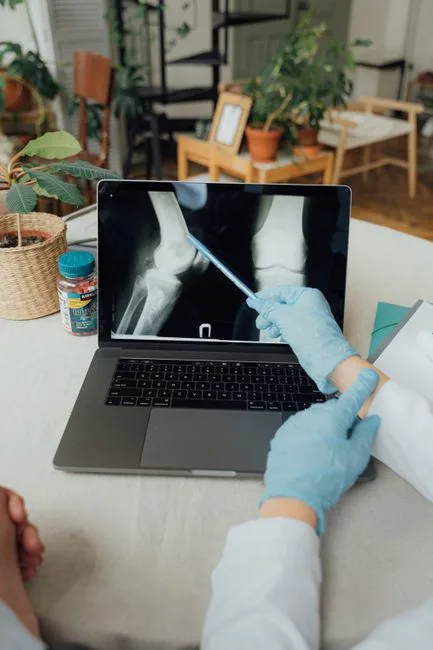
- Imaging confirms significant joint damage
- Patient motivated and healthy enough for surgery
Discuss with orthopedic surgeon.
Rheumatoid Arthritis: Special Management
RA is more aggressive than OA and requires different approach.
Key differences:
- Must be diagnosed early (within 3-6 months of symptom onset)
- Early aggressive treatment prevents permanent joint damage
- Disease-modifying drugs (DMARDs) or biologics started early
- Regular rheumatology supervision essential
- Can cause systemic complications (heart, lungs, eyes)
If your parent has RA:
- See rheumatologist, not just general doctor
- Start disease-modifying treatment promptly
- Regular monitoring crucial
- Exercise and physical therapy important
Early, aggressive RA treatment prevents disability.
Living Well With Arthritis
Arthritis is chronic and incurable. But it is manageable.
Principles of good management:
- Regular exercise (most important)
- Pain control with medications when needed
- Weight management if overweight
- Proper footwear and support
- Use of assistive devices without shame
- Heat/cold therapy as needed
- Adequate rest
- Regular doctor visits
Your parent with well-managed arthritis can remain active, mobile, and independent. This is achievable.
Complete Arthritis Care for Your Parent
Arthritis management requires ongoing supervision and lifestyle adjustments.
See our guide to exercise and physical activity for elderly parents for specific exercise protocols.
For families managing elderly parents with arthritis, our caregiver support service helps coordinate rheumatology care and ensures consistent physical activity and pain management.
The goal is function, not perfect pain relief.
A parent who exercises regularly and stays active, even with some pain, is better off than one avoiding activity due to pain.
Frequently Asked Questions
Get comprehensive arthritis management for your parent.
Message us on WhatsApp. We help coordinate rheumatology care, physical therapy, and ensure consistent activity and pain management.
Presenza's care team writes practical guides for families managing elderly hospital visits and remote healthcare coordination.
Get our hospital visit checklist for families.
A practical guide to preparing for appointments, questions to ask doctors, and what to document. Free. No spam.