Families searching for city-specific service details can review our Kochi or Bangalore companion service pages.
Preventive screening catches disease early.
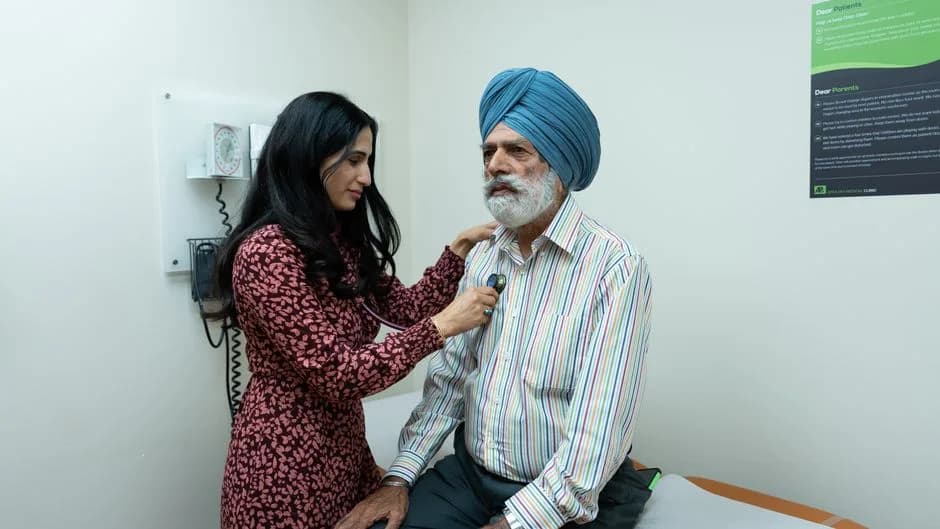
A simple blood test today can prevent a hospital emergency tomorrow. We help families coordinate and track preventive care appointments.
Your parent is 65 years old. They feel fine. No obvious symptoms. No complaints. This is exactly when most families stop thinking about health management. And this is exactly when preventive care matters most.
The difference between a parent who ends up in an emergency ward at 2 AM and a parent who catches health problems at a routine checkup is often just one thing: preventive screening. One blood test. One imaging scan. One conversation with a doctor. Preventive health screening catches disease early, before it becomes a crisis, before it requires hospitalization, and before it demands your full-time attention.
This guide covers what screening your parent needs, when they need it, and what the results actually mean for their daily life.
The True Cost of Skipping Preventive Care
Most families think about prevention only after something goes wrong. Your parent has a fall, gets hospitalized for a stroke, or develops severe infection from an undiagnosed urinary tract condition. At that point, prevention is too late. The cost is now: hospital bills, your time, your parent's suffering, and the guilt of thinking "We should have caught this earlier."
Preventive screening costs are measured in hundreds. Emergency hospital care costs thousands. The math is clear.
The most common conditions that land elderly parents in hospitals are all preventable with early detection:
- Type 2 diabetes detected early can be managed with diet and exercise
- Heart disease caught at pre-disease stage can be prevented with medication and lifestyle changes
- High blood pressure found early prevents stroke
- Kidney disease detected early slows progression significantly
- Cancer detected in early stages has much higher survival rates and lower treatment burden
Core Preventive Screening: What Every Elderly Parent Needs
The screening protocol below is based on standard recommendations from geriatric medicine, adapted for Indian healthcare patterns.
Annual Screenings (Age 60+)
1. Blood pressure check
Baseline: Every visit. Target: Less than 130/80. One high reading is not hypertension. Three separate elevated readings in clinic over weeks mean your parent should start medication. Ask the clinic for a home blood pressure log. Take readings at the same time each day for a week before the appointment.
2. Fasting blood sugar (fasting glucose)
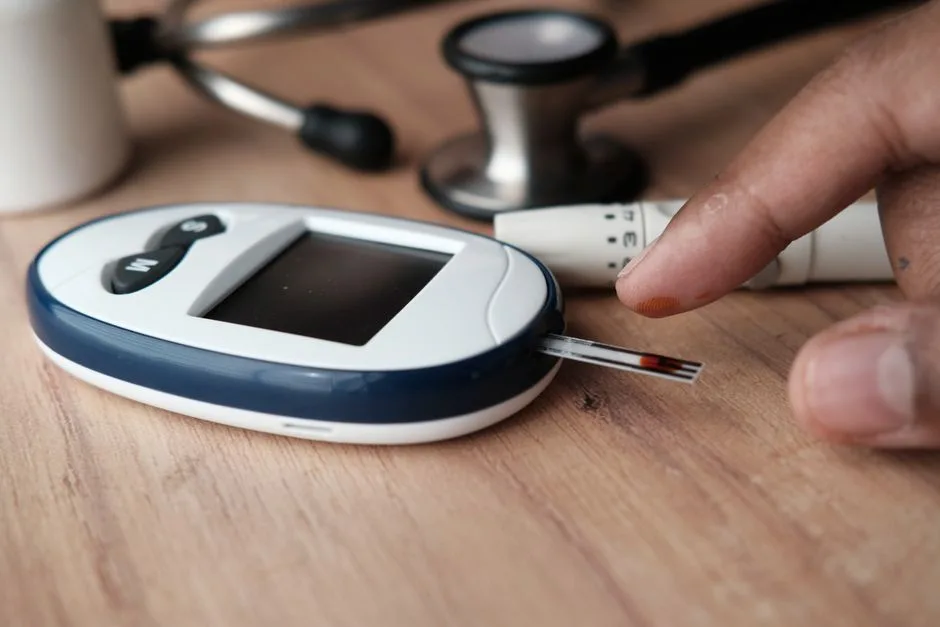
Fasting glucose 100-125 mg/dL means prediabetes. Fasting glucose 126+ means diabetes diagnosis. Many elderly parents have prediabetes for years without knowing. A simple diet and exercise change at the prediabetes stage can prevent diabetes entirely. Once diabetes develops, management becomes lifelong medication.
3. Lipid panel (cholesterol)
Total cholesterol, LDL (bad), HDL (good), triglycerides. Most elderly parents should have LDL under 100. If your parent has heart disease or diabetes, target is under 70. High triglycerides (over 200) often mean diet is too heavy in carbohydrates and alcohol.
4. Kidney function (creatinine, eGFR)
Kidney disease in elderly parents often goes undetected until it is advanced. Slight elevation in creatinine that a doctor might dismiss as "normal for age" is actually a warning sign. eGFR under 60 means some degree of kidney disease and affects which medications your parent can safely take.
5. Liver function tests (AST, ALT, bilirubin)
Baseline measure. Elevated numbers can indicate fatty liver (very common in India, even in non-alcoholics), medication side effects, or viral hepatitis. A simple ultrasound can confirm if fatty liver is present.
6. Complete blood count (CBC)
Checks for anemia (very common in elderly, especially women), infection markers, and platelet counts. Anemia causes fatigue that families wrongly attribute to old age. A simple iron supplementation can transform energy levels.
7. Thyroid function (TSH, T4)
Thyroid disease is common in elderly, especially women. Low thyroid causes fatigue, weight gain, and depression—all attributed to aging. High thyroid causes anxiety and irregular heartbeat. Simple blood test, simple medication if needed.
8. Urine analysis
Checks for infection, kidney problems, diabetes indicators, and other conditions. Many elderly parents have asymptomatic urinary tract infections that eventually lead to hospitalization if untreated.
9. Weight and BMI
Track trend, not absolute number. Rapid weight loss (over 5% in 6 months) or rapid gain can indicate hidden disease.
Biennial Screenings (Age 65+)
1. Bone density scan (DEXA)
Women should start at 65, men at 70. Osteoporosis is silent until a fall causes fracture. A preventive medication can reduce fracture risk by 30-50%. In India, where many elderly live in joint families with shared bathrooms on different levels, fall risk is high.
2. Colonoscopy or FIT test
Colorectal cancer is now the second leading cancer in urban India. If no polyps found, repeat every 10 years. If polyps found and removed, repeat every 3-5 years. Early removal of precancerous polyps prevents cancer almost entirely.
3. Abdominal ultrasound
Screens for gallstones (often asymptomatic), fatty liver, kidney stones, and abnormalities in liver or pancreas. A screening ultrasound is inexpensive (₹800-1500) and catches things that blood work misses.
Age-Specific Screenings (Age 70+)
1. Carotid artery ultrasound
Detects narrowing in arteries to the brain. If significant narrowing found, preventive medication or procedure can reduce stroke risk.
2. Abdominal aortic aneurysm screening
One-time screening if your parent is 65-75, has ever smoked, and is male. Ruptured AAA is often fatal. If caught early, preventive surgery prevents rupture.
3. Cognitive screening (Mini-Cog, MMSE)
Baseline test for memory and thinking. This becomes the reference point if cognitive decline is suspected later. Early detection of mild cognitive impairment allows interventions before full dementia develops.
The Preventive Screening Schedule: When to Do What
Age 50-60:
- Annual: BP, blood sugar, lipids, kidney function, liver function, CBC, thyroid, urine, weight
- Every 5 years: Colonoscopy
Age 60-65:
- Same as above
- Add bone density scan (women)
Age 65-70:
- Same as above
- Add carotid artery ultrasound
- Add AAA screening (if male and ever smoked)
Age 70+:
- Same as above
- Add cognitive screening every 2 years
How to Interpret Results Without Panic
Your parent's doctor will give a report with numbers. These numbers often look alarming to families who do not understand them. Here is how to think about them:
Normal Range vs. Abnormal
When a result is outside the "normal range," it does not automatically mean disease. It means: worth discussing with the doctor. Many slightly abnormal results at a single visit become normal at the next visit.
Trend Matters More Than One Number
One high blood sugar reading is not diabetes. Three readings over three months that are all high mean diabetes. A blood pressure reading of 145/90 in a stressful doctor's office might be normal for that person. Home readings over two weeks tell the real story.
"Pre-Disease" Is Actionable
Prediabetes, prehypertension, elevated cholesterol at age 65 are not diseases. They are invitations to change behavior before disease develops. Diet change, exercise increase, weight loss—these interventions work in prehypertension and prediabetes.
Creating Your Parent's Preventive Care Plan
Schedule one appointment with your parent's primary care doctor specifically for preventive care planning. Bring this guide. Ask:
- What screening does my parent need based on their age and health history?
- Which tests should we schedule at this visit?
- For each test, what results should concern us, and when should we follow up?
- How often should we repeat screening?
Write down the answers. Schedule the first set of tests. Mark your calendar for follow-up appointments.
The Truth About Preventive Care
Preventive health screening does not guarantee your parent will never get sick. It does mean that if disease develops, you catch it early—when it is manageable, when treatment burden is low, and when outcomes are far better.
The most important preventive screening is the one that happens. Not the ideal protocol. The one your parent will actually do. Start with annual blood tests and blood pressure. Build from there.
The parent who goes to the doctor once a year and catches problems early will spend less time in hospitals than the parent who waits for symptoms. This is not philosophy. It is epidemiology. It is why preventive care is the single highest-ROI investment in health.
Prevention is far cheaper than treatment.
Regular screening costs hundreds. Emergency hospital care costs thousands. Early detection saves money, time, and your parent's wellbeing.
Frequently Asked Questions
Ready to get your parent's preventive care plan in place?
Contact us on WhatsApp to discuss how we coordinate preventive health visits with companion support.
Presenza's care team writes practical guides for families managing elderly hospital visits and remote healthcare coordination.
Get our hospital visit checklist for families.
A practical guide to preparing for appointments, questions to ask doctors, and what to document. Free. No spam.