Families searching for city-specific service details can review our Kochi or Bangalore companion service pages.
Vision and hearing loss are not inevitable aging.
Most vision and hearing problems are diagnosable and treatable. Catching them early prevents falls, isolation, cognitive decline, and depression.
Your mother stops coming to family dinners. When she does, she sits quietly. Later you ask why. She says the lights are too bright. The voices are too loud.
You think this is just her getting older. But what you are describing is a serious health issue. Vision problems and hearing loss are not inevitable. They are diagnosable. And when left untreated, they cause profound changes: your parent becomes isolated, has more falls, loses confidence, withdraws from life.
This is not about vanity. This is about independence and safety.
Why vision and hearing matter
Your eyes and ears are how you stay connected to the world.
When vision fails, your parent cannot read medication labels. Cannot see where they are stepping. Cannot recognize faces. Cannot drive safely. The world becomes smaller and more dangerous.
When hearing fails, your parent cannot understand doctors. Cannot hear when someone calls. Cannot follow conversations. Gradually, isolation happens because every interaction requires extraordinary effort.
Vision and hearing loss are also linked to cognitive decline. Studies show that elderly people with untreated hearing loss have higher rates of dementia. Treating hearing loss appears to slow cognitive decline. Vision problems increase fall risk dramatically.
Poor vision and hearing also increase depression. Your parent withdraws because the world has become too hard to navigate.
Common vision problems in elderly
Presbyopia (age-related focusing problems)
Your parent holds the book farther and farther away. They cannot focus on close objects. Easily corrected with reading glasses.
Cataracts
The lens becomes cloudy. Vision becomes blurry and dim. Colors fade. Glare becomes intolerable. Cataracts develop slowly over years. They are extremely common after age 60. Surgery is simple and effective.
Age-related macular degeneration (AMD)
The center of vision blurs. Your parent can see the edges but not the middle. They cannot read, cannot recognize faces, but can still navigate. This is more serious and requires specialist care.
Glaucoma
Increased pressure in the eye damages the optic nerve. Often there are no symptoms until significant damage occurs. This is why regular screening is critical. It is painless if caught early. Untreated, it causes blindness.
Diabetic retinopathy
If your parent has diabetes, high blood sugar damages blood vessels in the eye. This happens silently and can cause vision loss. Regular eye exams are essential for diabetics.
Common hearing problems in elderly
Age-related hearing loss (presbycusis)
High frequency sounds (voices, birds, phones) become hard to hear. Your parent says "what?" repeatedly in conversations. They turn up the TV so loud others cannot stand it. This is the most common type and starts after age 60.
Tinnitus
Ringing, buzzing, hissing, or roaring in the ears. Constant or intermittent. Affects sleep and concentration. Causes anxiety and depression. Often accompanies hearing loss.
Conductive hearing loss
Earwax buildup or middle ear problems block sound. Often treatable simply by removing earwax or treating the underlying problem.
Sudden sensorineural hearing loss
Sudden hearing loss in one ear. This is a medical emergency. It requires immediate evaluation because treatment (usually steroids) must start quickly.
How to recognize vision and hearing problems
Ask your parent directly:
Vision:
- Can you read the newspaper?
- Can you see street signs when driving?
- Have you had trouble with stairs or uneven ground?
- Do bright lights bother you?
- Can you see the faces of people across the room?
Hearing:
- Do you have trouble hearing voices on the phone?
- Do you turn up the TV volume higher than family prefers?
- Do you miss parts of conversations, especially when there is background noise?
- Do you have ringing in your ears?
- Do you avoid social situations because you cannot hear well?
Watch for:
- Your parent declining social invitations
- Your parent withdrawing from conversations
- Your parent becoming irritable or frustrated
- Increased falls or bumping into things
- Not reacting when you call their name
- Asking people to repeat themselves constantly
What helps
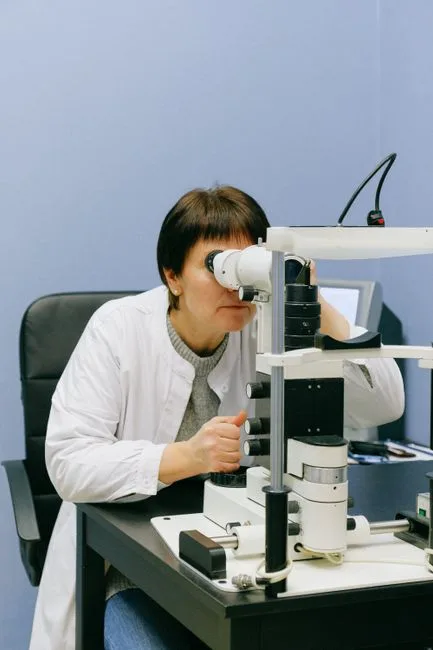
See an eye doctor and an ear, nose, and throat doctor.
Do not wait. Vision and hearing problems are easy to screen and treat. Many are preventable.
An eye exam checks:
- Visual acuity (how clearly you see)
- Eye pressure (glaucoma screening)
- Lens clarity (cataracts)
- Retinal health (macular degeneration, diabetic changes)
A hearing test checks:
- Which frequencies your parent cannot hear
- Whether the problem is in the outer ear, middle ear, or inner ear
- Whether hearing aids would help
Prescription glasses or contacts
Simple glasses correct most vision problems in elderly. Bifocals or progressive lenses help with both distance and reading. Updated regularly (every 1-2 years as vision changes).
Hearing aids
Modern hearing aids are small, programmable, and much better than old models. They amplify specific frequencies your parent cannot hear. Finding the right one takes time and adjustment, but most people adapt within weeks.
Hearing aids are expensive (Rs. 15,000 to Rs. 150,000) but dramatically improve quality of life. Some insurance covers them. Government hearing aids are available in some states.
Cataract surgery
Simple outpatient procedure. 15-minute surgery under local anesthesia. Most people see improvement within days. Recovery takes weeks. Very high success rate. If your parent has cataracts and blurry vision, surgery is worth discussing.
Medical management for other conditions
Glaucoma: eye drops daily prevent progression. AMD: certain vitamins (AREDS formula) may slow progression. Diabetic retinopathy: tight blood sugar control prevents worsening.
Adaptation and assistive devices
Large-print books. Audiobooks. Phone amplifiers. Doorbells with flashing lights. Hearing loops (systems that send audio directly to hearing aids). These make daily life easier while vision and hearing treatment takes effect.
Regular monitoring
Even if your parent does not need treatment now, annual eye exams catch problems early. Hearing checks every 2-3 years for people over 60.
The conversation with your parent
"I have noticed you are missing parts of conversations" or "I see you holding the menu very close to your eyes" or "You did not hear me when I called from the other room."
This is not criticism. It is observation.
"These changes are normal with age, but they are also very treatable. I would feel better if you got your eyes and hearing checked. Many of these problems can be fixed or managed, and it makes a real difference in how much you can do independently."
Frame it as maintaining independence, not admitting decline.
Why this matters more than you might think
Vision and hearing problems often go unaddressed because your parent thinks "this is just getting older." It is not.
An elderly person with untreated hearing loss is three times more likely to fall. Falls are the leading injury-related death in people over 65.
An elderly person with untreated vision problems cannot read medication labels, cannot drive safely, cannot navigate stairs.
An elderly person with untreated hearing loss becomes isolated. Isolation is linked to depression, cognitive decline, and early death.
These are not cosmetic problems. They are serious health issues.
And they are almost always treatable.
Ready to ensure your parent gets proper screening?
Regular vision and hearing checks are part of preventive health maintenance. Professional companions at health screening appointments ensure your parent is fully evaluated and all recommendations are documented clearly.
See how companion support works:
Regular screening is the best prevention.
Annual eye exams and hearing checks after age 60 catch problems early when treatment works best.
Frequently Asked Questions
Help your parent see and hear better.
Arrange companion support for vision and hearing tests. Ensure complete documentation and clear recommendations for next steps.
Presenza's care team writes practical guides for families managing elderly hospital visits and remote healthcare coordination.
Get our hospital visit checklist for families.
A practical guide to preparing for appointments, questions to ask doctors, and what to document. Free. No spam.