Families searching for city-specific service details can review our Kochi or Bangalore companion service pages.
High blood pressure is the silent killer, but completely controllable.
With proper medications and lifestyle changes, your parent's risk of stroke, heart attack, and kidney disease decreases dramatically.
High blood pressure is called the silent killer for good reason: your parent probably does not feel sick. They have no symptoms. Yet their blood pressure is slowly damaging their heart, brain, and kidneys.
One in two elderly has high blood pressure. Many know it but do not treat it adequately. Many are on medication but their blood pressure is still not controlled.
This is dangerous. Uncontrolled hypertension causes strokes, heart attacks, and kidney failure. All preventable with proper management.
This guide covers how to help your elderly parent control blood pressure and prevent these complications.
What Is High Blood Pressure?
Blood pressure is measured as two numbers: systolic (top) over diastolic (bottom).
Example: 140/90 mmHg (read as "140 over 90")
- Systolic: Pressure when heart contracts (higher number)
- Diastolic: Pressure when heart relaxes (lower number)
Blood pressure categories:
- Normal: Less than 120/80 mmHg
- Elevated: 120-129 and less than 80 mmHg (not yet high, but heading there)
- Stage 1 hypertension: 130-139 or 80-89 mmHg
- Stage 2 hypertension: 140 or higher or 90 or higher mmHg
- Hypertensive crisis: 180 or higher or 120 or higher mmHg (emergency)
Your parent likely falls into Stage 1 or 2. The goal is to bring it down to normal or close to normal.
Blood Pressure Targets for Elderly
Younger people aim for less than 120/80. Elderly? It is more complicated.
Current recommended targets for elderly:
- Healthy, independent elderly: Less than 130/80 mmHg
- Frail elderly: Less than 140/90 mmHg (aggressive control can cause falls and dizziness)
Why different targets? Very low blood pressure in frail elderly causes dizziness and falls. A slightly higher blood pressure is safer than a fall-related hip fracture.
Work with your parent's doctor to determine appropriate targets. Do not assume standard targets apply.
Causes of High Blood Pressure in Elderly
Most elderly have "primary hypertension" (no clear cause, just develops with age). Some have secondary hypertension (caused by specific condition):
Secondary causes (less common but worth checking):
- Kidney disease: Damages kidneys, which control blood pressure
- Sleep apnea: Disrupted breathing at night raises blood pressure
- Thyroid disease: Can raise blood pressure
- Medication side effects: Some medications (NSAIDs, steroids, decongestants) raise blood pressure
If your parent's hypertension is new or suddenly worsening, ask the doctor to check for secondary causes.
Medications for High Blood Pressure
Most elderly with hypertension need medication. Many need 2-3 medications.
Common blood pressure medications:
ACE inhibitors (lisinopril, enalapril, ramipril):
- Very commonly prescribed
- Protect heart and kidneys
- Side effect: dry cough (common, but not dangerous)
- Cost: Inexpensive, widely available
ARBs (losartan, valsartan, telmisartan):
- Similar to ACE inhibitors but no cough
- Protect heart and kidneys
- Good alternative if ACE inhibitor causes cough
Beta-blockers (metoprolol, atenolol, bisoprolol):
- Slow heart rate, reduce blood pressure
- Particularly helpful if heart disease present
- Side effects: fatigue, reduced exercise capacity (problematic in elderly)
- Less commonly first choice in elderly
Calcium channel blockers (amlodipine, diltiazem):
- Prevent calcium from entering blood vessel cells
- Effective, well-tolerated
- Side effects: swelling in legs (common but usually mild)
- Good choice for elderly
Diuretics (hydrochlorothiazide, furosemide):
- Remove salt and water, lower blood pressure
- Can cause electrolyte imbalances and dehydration
- Used but less preferred as first-line
Combination medications:
- Many elderly need 2-3 medications
- Often given as fixed combinations to simplify taking
Medication adherence is critical: Your parent must take blood pressure medication even if they feel fine. Missing doses allows blood pressure to spike, increasing stroke and heart attack risk.
Lifestyle Changes That Lower Blood Pressure
Medications are essential, but lifestyle matters too.
DASH diet (Dietary Approaches to Stop Hypertension):
- Plenty of vegetables, fruits, whole grains
- Lean proteins (fish, chicken, legumes)
- Low-fat dairy
- Limit salt to less than 1 teaspoon per day (very strict, but helps)
- Limit saturated fat and processed foods
- This diet alone can lower blood pressure 8-14 mmHg
Salt restriction:
- Salt causes blood pressure to rise
- Most people consume too much salt (hidden in processed foods)
- Read labels, cook at home, avoid pickled and processed foods
- Use herbs and spices instead of salt
Weight loss:
- If overweight, every kilogram of weight loss lowers blood pressure
- Even 5 kg loss helps
- But in frail elderly, weight loss is concerning (focus on preventing further loss)
Exercise:
- Regular aerobic exercise lowers blood pressure
- 150 minutes per week of moderate activity
- Even brisk walking helps
- Exercise alone can lower blood pressure 5-7 mmHg
Stress reduction:
- Chronic stress raises blood pressure
- Meditation, yoga, deep breathing help
- Social connection and hobbies reduce stress
Limit alcohol:
- Excess alcohol raises blood pressure
- Safe limit: one drink per day for women, two for men
- If your parent drinks more, encourage reduction
Sleep:
- Poor sleep raises blood pressure
- Target 7-8 hours per night
- Sleep apnea is common in elderly; if suspect, discuss with doctor
Monitoring Blood Pressure at Home
Home monitoring is valuable. It shows real-world control and helps catch problems early.
How to monitor:
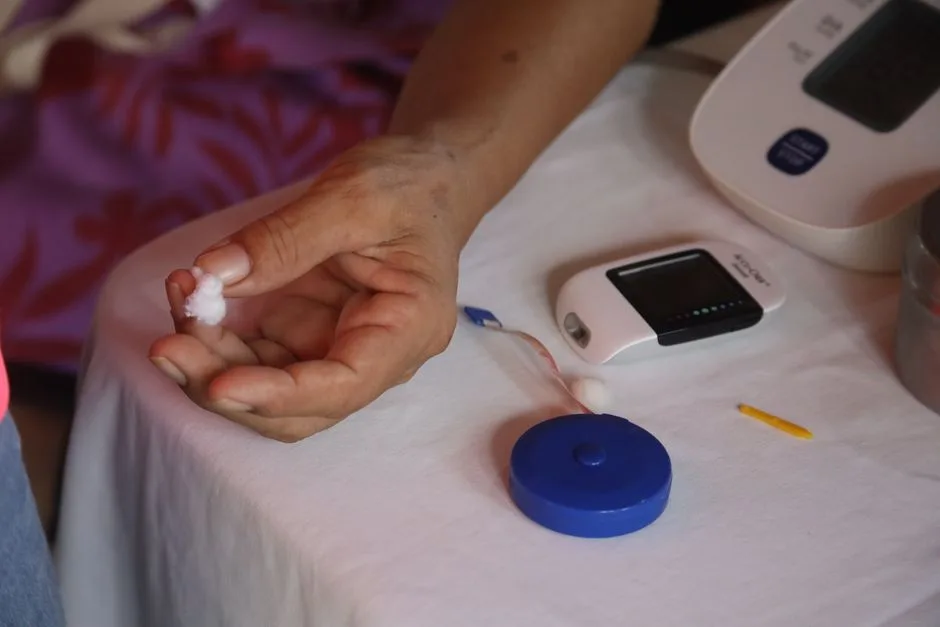
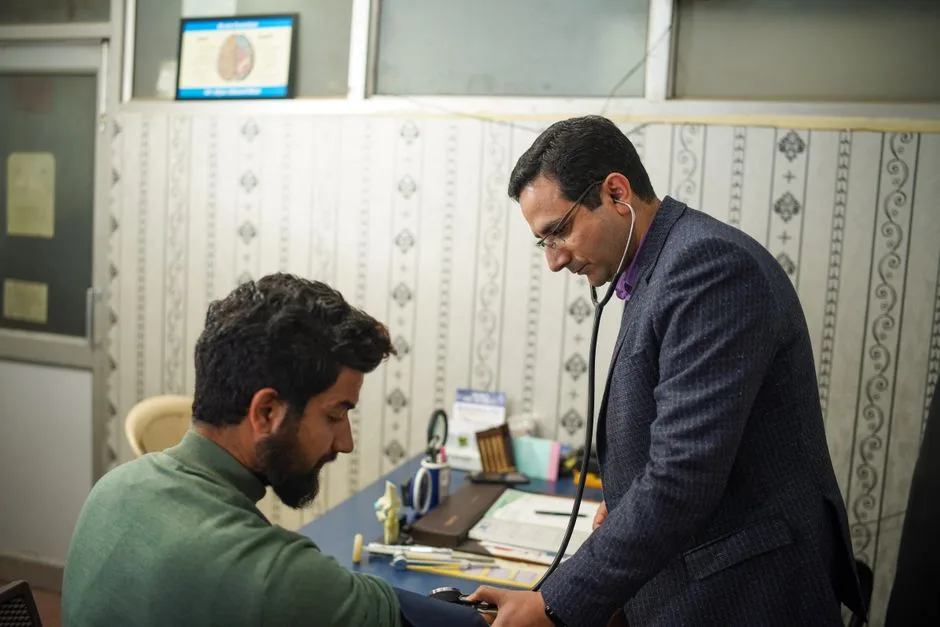
- Use automatic home blood pressure monitor (cuff on arm)
- Sit quietly for 5 minutes before checking
- Check at same time each day (morning before medication ideal)
- Keep a log or use phone app to record
Frequency:
- If blood pressure not at goal: check daily
- If at goal: check 2-3 times weekly or as doctor recommends
- Bring readings to doctor visits
Common mistakes:
- Checking right after a stressful event (will be artificially high)
- Not sitting quietly before measuring
- Checking multiple times and averaging (use first measurement)
- Using cheap/inaccurate monitors
Get a validated home monitor. Ask the pharmacist or doctor which model is accurate.
When Blood Pressure Is Too High
If your parent's blood pressure is consistently above target despite medication:
Ask doctor:
- Is the medication dose adequate?
- Should we add another medication?
- Is your parent taking medications correctly?
- Are there side effects preventing adherence?
- Should we change to a different medication?
Causes of poor control:
- Your parent is not taking medications (forgets or deliberately stops)
- Dose is too low
- Medication interactions with other drugs
- Salt intake too high
- Your parent is not following diet/exercise recommendations
- Sleep apnea untreated
- Underlying kidney disease worsening
Identify and fix the underlying cause rather than just increasing medication.
Managing Blood Pressure and Other Conditions
Many elderly have hypertension plus diabetes, heart disease, or kidney disease.
When conditions coexist:
- Some medications (ACE inhibitors, ARBs) protect kidneys, especially important if diabetes present
- Beta-blockers important if heart disease present
- Targets may change (for example, diabetic with kidney disease might need lower blood pressure targets)
- Coordinate with all specialists
Questions for doctor:
- "Given my parent's diabetes and hypertension, what is the target blood pressure?"
- "Which medications protect the kidneys?"
- "How often should we check kidney function?"
Preventing Complications of Hypertension
Hypertension damages organs. Prevention is the goal.
Stroke:
- High blood pressure weakens blood vessels in brain
- Can cause stroke (burst vessel) or clot
- Prevention: Control blood pressure, manage atrial fibrillation (irregular heartbeat), avoid smoking, manage cholesterol
- Warning signs: Sudden weakness on one side, trouble speaking, facial drooping, severe headache. Call emergency immediately.
Heart attack:
- High blood pressure stresses heart, increases risk of heart attack
- Prevention: Control blood pressure, manage other risk factors (diabetes, cholesterol, smoking), exercise
- Warning signs: Chest pain or pressure, shortness of breath, arm pain, nausea. Call emergency immediately.
Kidney disease:
- High blood pressure damages kidneys over time, leading to kidney failure
- Prevention: Control blood pressure, check kidney function annually
- If kidney disease develops, medication changes needed
Heart failure:
- Long-standing high blood pressure weakens heart
- Prevention: Adequate blood pressure control early
Annual Checkup for Hypertensive Elderly
Your parent needs annual assessment:
Tests to do:
- Blood pressure (office and ideally home readings)
- Kidney function (creatinine, eGFR, urine protein)
- Cholesterol (lipid panel)
- EKG (baseline, then every few years)
- Urine test
- Weight
Questions for doctor:
- Is blood pressure at target?
- Are there side effects from medications?
- How is kidney function?
- Do any medications need adjustment?
- Is your parent at risk for stroke?
When to Seek Emergency Help
Some situations require emergency care:
Hypertensive crisis:
- Blood pressure greater than 180/120 mmHg
- With severe symptoms: severe headache, chest pain, shortness of breath, vision changes, confusion
- Action: Go to emergency room immediately
- Do not treat at home
Stroke warning signs:
- Sudden weakness on one side of face or body
- Trouble speaking or understanding
- Facial drooping
- Sudden severe headache
- Loss of balance
- Action: Call emergency immediately (do not delay for hospital visit)
Heart attack warning signs:
- Chest pain or pressure
- Shortness of breath
- Arm, neck, or jaw pain
- Nausea or dizziness
- Action: Call emergency immediately
The Bottom Line
High blood pressure in elderly is manageable. Control requires:
- Medication: Most elderly need pills
- Monitoring: Know your parent's numbers
- Lifestyle: Diet, exercise, weight, stress
- Consistency: Daily medication, regular monitoring
- Follow-up: Regular doctor visits to assess control
A parent whose blood pressure is controlled lives longer, with lower risk of stroke, heart attack, and kidney disease. This is preventive medicine at its best.
Complete Hypertension Care for Your Parent
Hypertension requires ongoing monitoring and medication management.
See our guide to preventive health checkups for comprehensive annual screening.
For families managing elderly parents with hypertension, our caregiver support service helps coordinate blood pressure monitoring and medication adherence.
Medications work only if taken daily, every day.
Your parent may not feel sick from high blood pressure. But the damage is happening. Medications prevent it.
Frequently Asked Questions
Get your parent's blood pressure under control.
Message us on WhatsApp. We help ensure medication adherence and monitor blood pressure regularly.
Presenza's care team writes practical guides for families managing elderly hospital visits and remote healthcare coordination.
Get our hospital visit checklist for families.
A practical guide to preparing for appointments, questions to ask doctors, and what to document. Free. No spam.